



Successful Entrepreneurs in Nigeria: 7 Business Leaders and Their Success Stories
Nigeria has produced entrepreneurs who have built influential businesses across industries such as manufacturing, banking, energy, retail and financial technology. Their journeys show how identifying opportunities, making strategic decisions and remaining committed to long-term goals can turn business ideas into successful companies.
From industrial giants to technology founders, here are seven Nigerian business leaders and the stories behind the businesses they built.
1. Aliko Dangote – Dangote Group

Aliko Dangote began his business journey trading commodities such as rice, sugar and cement before moving into large-scale manufacturing.
Through the Dangote Group, he built major businesses across cement, sugar, flour, salt and other essential products. His decision to invest in local manufacturing helped establish the group as one of Africa's most recognized industrial businesses.
Business lesson: Recognizing opportunities in everyday products and investing in local production can create businesses with significant long-term potential.
2. Tony Elumelu – Heirs Holdings
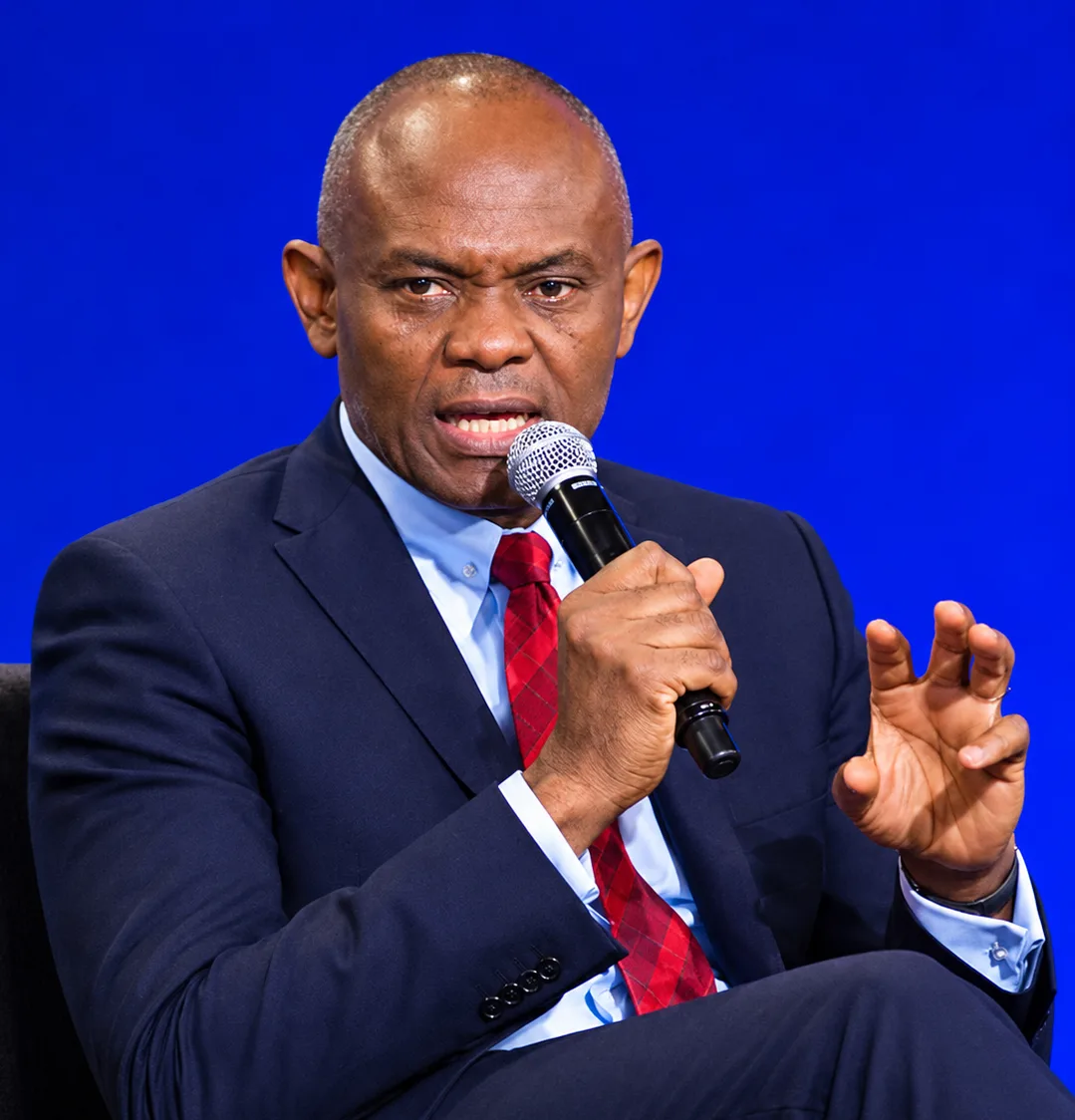
Tony Elumelu built his reputation in the banking industry, particularly through his leadership at Standard Trust Bank and its merger with United Bank for Africa (UBA).
In 2010, he founded Heirs Holdings, an investment company with interests in sectors including energy, power, financial services, technology and hospitality. He also established the Tony Elumelu Foundation to support entrepreneurs across Africa.
Business lesson: Business growth can go beyond building one company. Strategic investment and supporting other entrepreneurs can create wider economic opportunities.
3. Folorunsho Alakija – Famfa Oil

Folorunsho Alakija began her career in the fashion and Banking industry, before moving into Nigeria's oil and gas sector
Through Famfa Oil, which she co-founded with her husband, she became involved in oil exploration. The company's involvement in the Agbami oil field became a significant part of her business journey.
Her story demonstrates how entering a new industry, taking calculated risks and maintaining a long-term investment outlook can create opportunities in challenging sectors.
Business lesson: Entrepreneurs can expand beyond their original industries when they identify opportunities and are prepared to learn and take calculated risks.
4. Peter Obi – Next International Nigeria Ltd.

Before entering politics, Peter Obi built a career in business through trading, distribution and investments.
He led Next International Nigeria Ltd., a company involved in importing and distributing consumer products. His business activities also extended into other sectors, including banking and retail.
His business journey is often associated with financial discipline, careful management and a cautious approach to investment.
Business lesson: Sustainable business growth requires financial discipline, responsible management and careful decision-making.
5. Femi Otedola – Zenon Petroleum and Gas

Femi Otedola built his business interests across several sectors, including printing, shipping and petroleum distribution.
Through Zenon Petroleum and Gas, he became a major player in Nigeria's downstream petroleum industry, focusing on the supply, storage and distribution of petroleum products.
His journey illustrates how identifying demand within an industry and developing the infrastructure to serve that demand can create significant business opportunities.
Business lesson: Businesses can create value by solving supply and distribution problems within an existing market.
6. The Founders of PiggyVest – Somto Ifezue, Odunayo Eweniyi and Joshua Chibueze
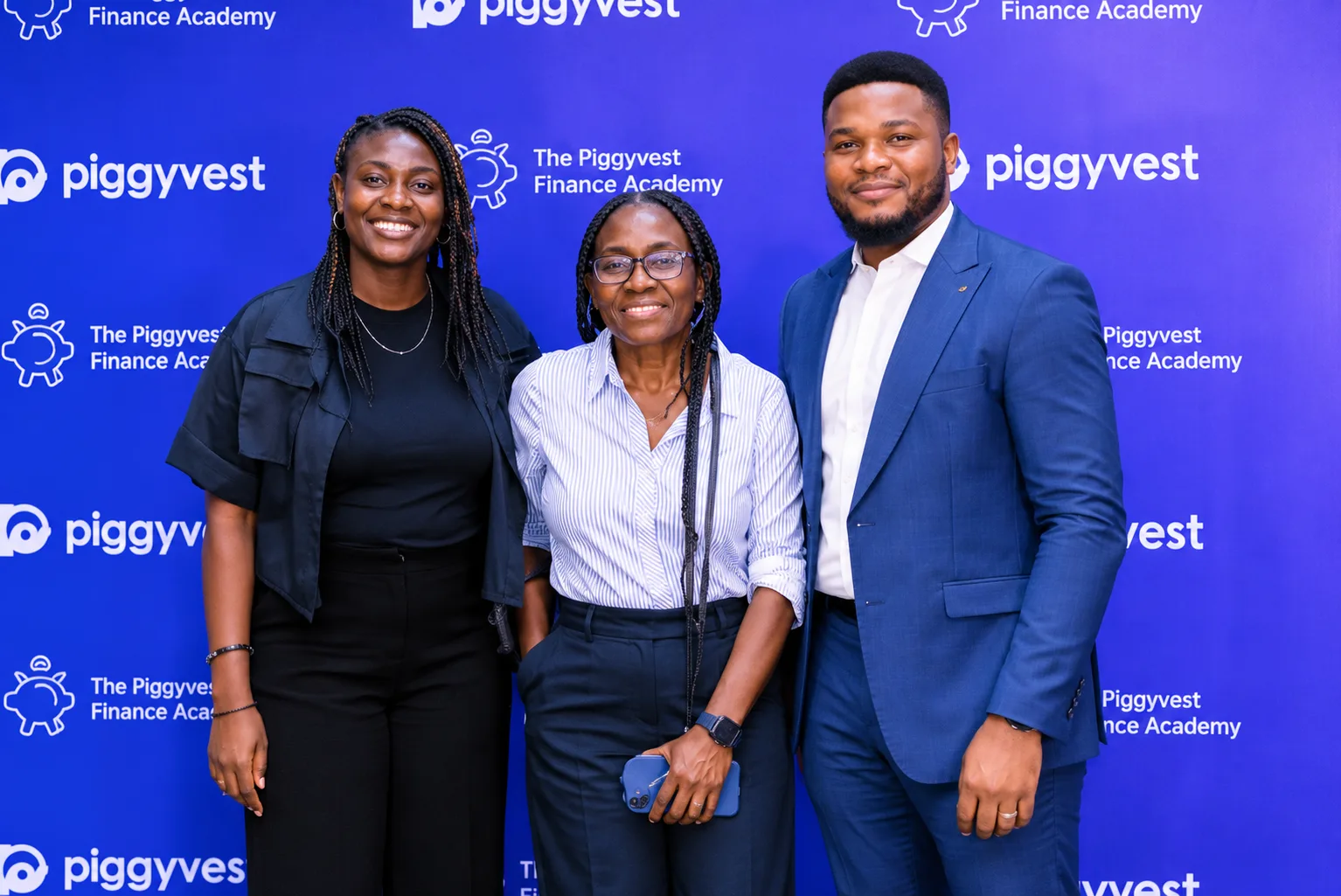
PiggyVest was launched in 2016 as Piggybank.ng, a digital savings platform designed to help Nigerians develop more consistent saving habits.
Its co-founders, Somto Ifezue, Odunayo Eweniyi and Joshua Chibueze, identified an everyday financial challenge and developed a digital product around it. The platform later expanded into investment services and rebranded as PiggyVest.
Their journey demonstrates how technology can be used to address familiar problems and make financial services more accessible.
Business lesson:
Successful businesses do not always begin with completely new ideas. Sometimes, they improve an existing process by making it more accessible, convenient or reliable.
7. Abdul Samad Rabiu – BUA Group

Abdul Samad Rabiu founded BUA Group in 1988, initially building the business around commodity trading.
Over time, the company expanded into manufacturing and other industries, including cement, sugar, flour, food processing and infrastructure.
His decision to move beyond trading and invest in industrial production helped transform BUA into one of Nigeria's major diversified business groups.
Business lesson: Businesses can grow by moving from simply trading products to producing, processing or adding value to them.
What Can Entrepreneurs Learn From These Business Leaders?
Although these individuals built businesses in different industries, their stories reveal several lessons that aspiring entrepreneurs can apply:
- Identify real market needs: Many successful businesses begin by addressing problems or meeting existing demand.
- Think beyond immediate profits: Building a sustainable company often requires long-term planning and investment.
- Adapt to opportunities: Some entrepreneurs expanded into industries different from where they started.
- Build customer confidence: Trust and reliability are important to attracting and retaining customers.
- Invest in growth: Expanding operations, improving products and developing new capabilities can create opportunities for a business to grow.
Final Thoughts
The stories of these seven Nigerian entrepreneurs show that business success can take different forms. Some built their companies through manufacturing and industrial investment, others through financial services, distribution, technology and strategic investments.
There is no single formula for building a successful business. However, identifying opportunities, understanding customer needs, managing resources responsibly and consistently delivering value are important foundations.
For aspiring entrepreneurs, the most valuable lesson is not simply to admire successful business people, but to understand the decisions, strategies and problems their businesses were built around.
KEEP LEARNING
Explore more Nearayou articles on business growth, customer relationships and entrepreneurship:
Challenges Facing Businesses in Nigeria in 2026: How Economic Policies and Reforms Affect Businesses
Why Businesses Need to Build Customer Trust: The Foundation of Business Growth and Customer Loyalty
How to Get More Customers for Your Business
Best Businesses to Start in Nigeria in 2026: 20 Business Ideas and Opportunities
[How to Use AI for Your Business in Nigeria: 12 Practical Ways to Save Time, Find Customers and Increase Sales]