



Best Businesses to Start in Nigeria in 2026
20 Business Ideas and Opportunities
Starting a business in Nigeria can be an opportunity to build a reliable source of income, create employment and serve a market need. However, choosing the right business requires more than following popular trends. A business that performs well in one city may struggle in another, and an idea that appears profitable may become difficult to sustain if operating costs are not properly managed.
In 2026, entrepreneurs can explore opportunities across food, agriculture, retail, digital services, skilled trades, logistics and renewable energy. Some can be started from home with limited equipment, while others require more substantial capital, technical knowledge and regulatory preparation.
The important question is not simply which business is popular, but which one matches your available capital, skills, location and potential customers.
This guide explores 20 business opportunities worth considering in Nigeria, including what they involve, how they generate revenue, what you may need to start and the challenges to expect.
What Makes a Business Worth Starting in Nigeria?
Before investing, consider these five factors:
- Market demand: Are people or businesses willing to pay for the product or service?
- Competition: How many established businesses are already serving the same customers?
- Startup and operating costs: Can you afford the initial setup and the recurring expenses?
- Your capabilities: Do you have the skills, experience or resources to operate the business?
- Growth potential: Can the business expand into new locations, products or customer groups?
A business does not have to be completely new to succeed. Sometimes, improving an existing service, reaching customers more effectively or serving an overlooked location can create a valuable opportunity.
Customers also need confidence in the businesses they patronize. Learn more in our article on Why Businesses Need to Build Customer Trust
20 Businesses to Start in Nigeria in 2026
1. Food Vending and Catering
- Competition level: High
- Estimated startup cost: ₦300,000 – ₦2,500,000
- Growth potential: ★★★★★
Food remains a recurring need, creating opportunities for entrepreneurs who can provide affordable, hygienic and convenient meals. You could start with a food stand, small takeaway service, office lunch delivery, snacks or event catering.
For businesses selling products online, understanding customer concerns about dishonest transactions is particularly important. Explore Why Customers Fear Buying Online: How Dishonest Transactions Destroy Customer Confidence
Revenue comes from individual meal sales, bulk orders, subscriptions and event contracts. You can begin with a limited menu and expand as demand becomes clearer.
What you need: Cooking equipment, ingredients, packaging, a reliable supply source and appropriate food-handling arrangements.
Main challenge: Food prices, spoilage, competition and maintaining consistent quality.
2. Grocery and Foodstuff Distribution
- Competition level: High
- Estimated startup cost: ₦500,000 – ₦5,000,000
- Growth potential: ★★★★☆
Selling everyday food items such as rice, beans, garri, cooking oil, spices and other household essentials can provide a steady customer base. You could operate a neighbourhood provisions shop, supply restaurants or distribute foodstuff to smaller retailers.
The opportunity is not limited to opening a shop. Buying in bulk, repackaging where permitted and supplying businesses can create additional revenue channels.
What you need: Initial stock, reliable suppliers, storage space, packaging and a suitable sales location.
Main challenge: Price fluctuations, stock management, transportation and relatively tight margins on some products.
3. Poultry Farming
- Competition level: High
- Estimated startup cost: ₦500,000 – ₦5,000,000
- Growth potential: ★★★★☆
Poultry farming involves raising birds for meat or egg production. Entrepreneurs can focus on broilers, layers, day-old chicks or supplying poultry products to restaurants, retailers and households. A small operation can help you understand feeding, disease prevention and market demand before expanding. Establishing relationships with buyers before production can also reduce the risk of unsold stock.
What you need: Suitable housing, chicks, feed, water systems, veterinary support and biosecurity measures.
Main challenge: Feed prices, disease outbreaks, mortality and changing market prices.
4. Fish Farming
- Competition level: Moderate
- Estimated startup cost: ₦500,000 – ₦4,000,000
- Growth potential: ★★★★☆
Fish farming, particularly catfish production, is another agricultural opportunity. Fish farmers can sell to households, restaurants, market traders, hotels and fish processors
You can begin with a small number of tanks or ponds and increase production as you gain experience. There may also be opportunities in supplying fingerlings, smoked fish and processed fish products.
What you need: Tanks or ponds, fingerlings, quality feed, water management and knowledge of fish health.
Main challenge: Feed expenses, water quality, fish mortality and finding buyers at the right time.
5. Agricultural Processing and Packaging
Rather than selling raw agricultural produce, entrepreneurs can add value by processing products such as cassava, palm oil, plantain, spices, grains and fruits.
Examples include garri production, packaged spices, palm oil processing, dried fruit and other food products. Value addition can create opportunities to supply supermarkets, retailers, restaurants and distributors.
What you need: Processing equipment, raw materials, suitable storage, packaging and any applicable food-product approvals.
Main challenge: Equipment costs, consistent raw-material supply, product quality and regulatory compliance.
- Competition level: Moderate
- Estimated startup cost: ₦2,000,000 – ₦15,000,000
- Growth potential: ★★★★★
6. Thrift Clothing and Fashion Retail
Thrift clothing, popularly known as 'Okrika', remains an accessible retail opportunity. Entrepreneurs can sell through physical shops, market stalls, social media or direct online orders.
You can specialize in categories such as children's clothing, office wear, shoes, bags or premium second-hand fashion. Selecting stock carefully and presenting products attractively can help distinguish your business.
What you need: Initial stock, a reliable supplier, product photography, packaging and a sales channel.
Main challenge: Inconsistent stock quality, changing fashion preferences and competition.
- Competition level: High
- Estimated startup cost: ₦200,000 – ₦2,000,000
- Growth potential: ★★★★☆
7. Cosmetics and Personal Care Products
Cosmetics and personal care retail covers skincare products, hair products, perfumes, makeup, toiletries and beauty accessories. Customers include individuals, salons, makeup artists and other retailers.
You can start with a specialized product category instead of stocking everything. Building trust is especially important because customers want confidence in product quality, authenticity and suitability.
What you need: Genuine suppliers, initial stock, storage, product knowledge and a sales channel.
Main challenge: Counterfeit products, changing trends, stock expiry and competition.
- Competition level: High
- Estimated startup cost: ₦300,000 – ₦3,000,000
- Growth potential: ★★★★☆
8. Phone Accessories and Repair Services
Smartphones have created demand for accessories and maintenance services. Businesses can sell chargers, cases, screen protectors, earphones and other accessories while offering repairs such as screen replacement and charging-port maintenance.
Combining product sales with technical services can create multiple income streams.
What you need: Initial inventory, repair tools, technical training and dependable parts suppliers.
Main challenge: Counterfeit accessories, faulty replacement parts and keeping up with changing phone models.
- Competition level: High
- Estimated startup cost: ₦300,000 – ₦3,000,000
- Growth potential: ★★★★☆
9. Laundry and Dry-Cleaning Services
Laundry businesses serve individuals, households, students, professionals, hotels and other organizations. You can start with washing and ironing from home, offer pickup and delivery, or establish a dedicated laundry shop.
Convenience is a major selling point. Customers may prefer a reliable service that collects their clothes, handles them properly and returns them on time.
What you need: Washing machines or basic washing equipment, irons, detergents, water supply, packaging and transportation arrangements.
Main challenge: Electricity and water costs, damaged clothing, delivery delays and maintaining consistent service.
- Competition level: Moderate
- Estimated startup cost: ₦300,000 – ₦2,500,000
- Growth potential: ★★★★☆
10. Security Systems and CCTV Installation

- Competition level: Moderate
- Estimated startup cost: ₦2,000,000 – ₦15,000,000
- Growth potential: ★★★★★
Security concerns create opportunities for businesses that install and maintain CCTV cameras, access-control systems, alarms and related equipment.
Customers may include residential property owners, offices, shops, schools, warehouses and commercial facilities. Beyond installation, businesses can generate recurring revenue through maintenance, upgrades and technical support.
What you need: Technical training, installation tools, equipment suppliers, transportation and knowledge of relevant security and data-protection requirements.
Main challenge: Equipment costs, technical troubleshooting, customer trust and competition from established installers.
11. Home and Office Cleaning Services
- Competition level: Moderate
- Estimated startup cost: ₦150,000 – ₦1,500,000
- Growth potential: ★★★★☆
Cleaning businesses provide services to homes, offices, shops, apartments, schools and commercial properties. You can begin with general cleaning and later specialize in post-construction cleaning, deep cleaning or commercial contracts.
Unlike businesses that require large inventories, a cleaning service can initially operate with a relatively small collection of equipment.
What you need: Cleaning supplies, protective equipment, transportation arrangements and trained, dependable workers.
Main challenge: Finding consistent clients, managing workers and maintaining service quality.
12. Skilled Technical Services
- Competition level: Moderate
- Estimated startup cost: ₦150,000 – ₦2,000,000
- Growth potential: ★★★★★
Plumbing, electrical installation, painting, carpentry, tiling, welding and general maintenance are essential services for homes, offices and construction projects.
Skilled workers can operate independently, build a small team or establish a service company that handles larger contracts. Reliability, workmanship and punctuality can help generate repeat business and referrals.
What you need: Technical training, tools, safety equipment, transportation and a portfolio of completed work.
Main challenge: Building credibility, managing project costs and maintaining consistent workmanship.
13. Solar and Inverter Solutions
Competition level: Moderate Estimated startup cost: ₦2,000,000 – ₦12,000,000 Growth potential: ★★★★★
Solar energy businesses sell, install and maintain solar panels, inverters, batteries and related power systems. Customers may include households, offices, shops, schools and businesses looking for alternatives to unreliable electricity supply.
You can enter the market by specializing in installation, maintenance, equipment sales or complete energy solutions. Technical knowledge and honest system recommendations are essential.
What you need: Product knowledge, technical training, installation tools, reliable suppliers and access to qualified technicians.
Main challenge: Equipment prices, warranty issues, customer education and the need to size systems correctly.
14. Digital Marketing and SEO Agency
- Competition level: High
- Estimated startup cost: ₦100,000 – ₦1,500,000
- Growth potential: ★★★★★
Many businesses need help reaching customers online but lack the expertise or time to manage their digital presence. A digital marketing agency can provide social media management, search engine optimization, advertising, content strategy and online brand development.
You can start as an independent service provider and gradually build a team as your client base grows.
What you need: Digital marketing knowledge, a laptop or suitable device, internet access, a portfolio and the ability to measure campaign performance.
Main challenge: Winning clients, proving results, adapting to platform changes and retaining customers.
15. Graphic Design, Video Editing and Content Production
- Competition level: High
- Estimated startup cost: ₦100,000 – ₦2,500,000
- Growth potential: ★★★★★
Businesses, creators, event organizers and organizations regularly require visual content for advertising, social media, presentations and promotional campaigns.
Entrepreneurs can specialize in graphic design, video editing, photography, product photography or short-form content production. You can begin with one service and expand into a creative agency.
What you need: Relevant creative skills, a capable computer or smartphone, software, internet access and a portfolio.
Main challenge: Standing out in a competitive market, meeting deadlines and keeping up with changing content formats.
16. Website Development and Software Services

Businesses increasingly need websites, online stores, booking systems, business management tools and other digital solutions. Skilled developers can provide these services to small businesses, professional organizations and larger companies.
Revenue can come from project fees, website maintenance, subscriptions, hosting support and software development contracts.
What you need: Programming or website-building skills, a computer, internet access and a portfolio of projects.
Main challenge: Acquiring technical skills, finding clients, maintaining projects and providing ongoing support.
- Competition level: Moderate
- Estimated startup cost: ₦150,000 – ₦2,000,000
- Growth potential: ★★★★★
17. Beauty, Hair and Personal Grooming Services

Hair styling, barbing, nail care, makeup and other grooming services offer opportunities for trained individuals and entrepreneurs who can build a loyal customer base.
You could operate from home, provide mobile services or establish a salon. Specializing in a particular service can help attract customers who are willing to pay for quality and expertise.
What you need: Relevant training, tools, products, a suitable workspace and good customer-service skills.
Main challenge: Competition, equipment costs, changing trends and retaining customers.
- Competition level: High
- Estimated startup cost: ₦200,000 – ₦3,000,000
- Growth potential: ★★★★☆
18. Tutoring and Vocational Training

Education and skills development create opportunities for private tutors, training centers and vocational instructors. You can provide academic lessons, examination preparation, computer training, tailoring, technical skills or professional courses.
Training can take place physically, online or through a combination of both. A specialized course that helps learners develop practical, employable skills may attract a clearly defined audience.
What you need: Subject expertise, teaching materials, a suitable learning space or online platform and any required approvals.
Main challenge: Building credibility, attracting students and demonstrating the value of your training.
- Competition level: Moderate
- Estimated startup cost: ₦100,000 – ₦2,500,000
- Growth potential: ★★★★☆
19. Dispatch and Local Logistics Services

Delivery and logistics businesses help move food, documents, parcels, groceries and other goods between businesses and customers. You can operate as an independent dispatch rider, build a small delivery team or provide logistics support to retailers and online vendors.
A specialized` delivery service for a particular neighbourhood or customer group can help you compete without immediately building a large fleet.
What you need: A motorcycle or access to riders, delivery equipment, customer-service channels, tracking arrangements and applicable operating permits.
Main challenge: Fuel and maintenance costs, accidents, delivery delays, theft and managing riders.
- Competition level: High
- Estimated startup cost: ₦500,000 – ₦5,000,000
- Growth potential: ★★★★★
20. Waste Collection and Recycling
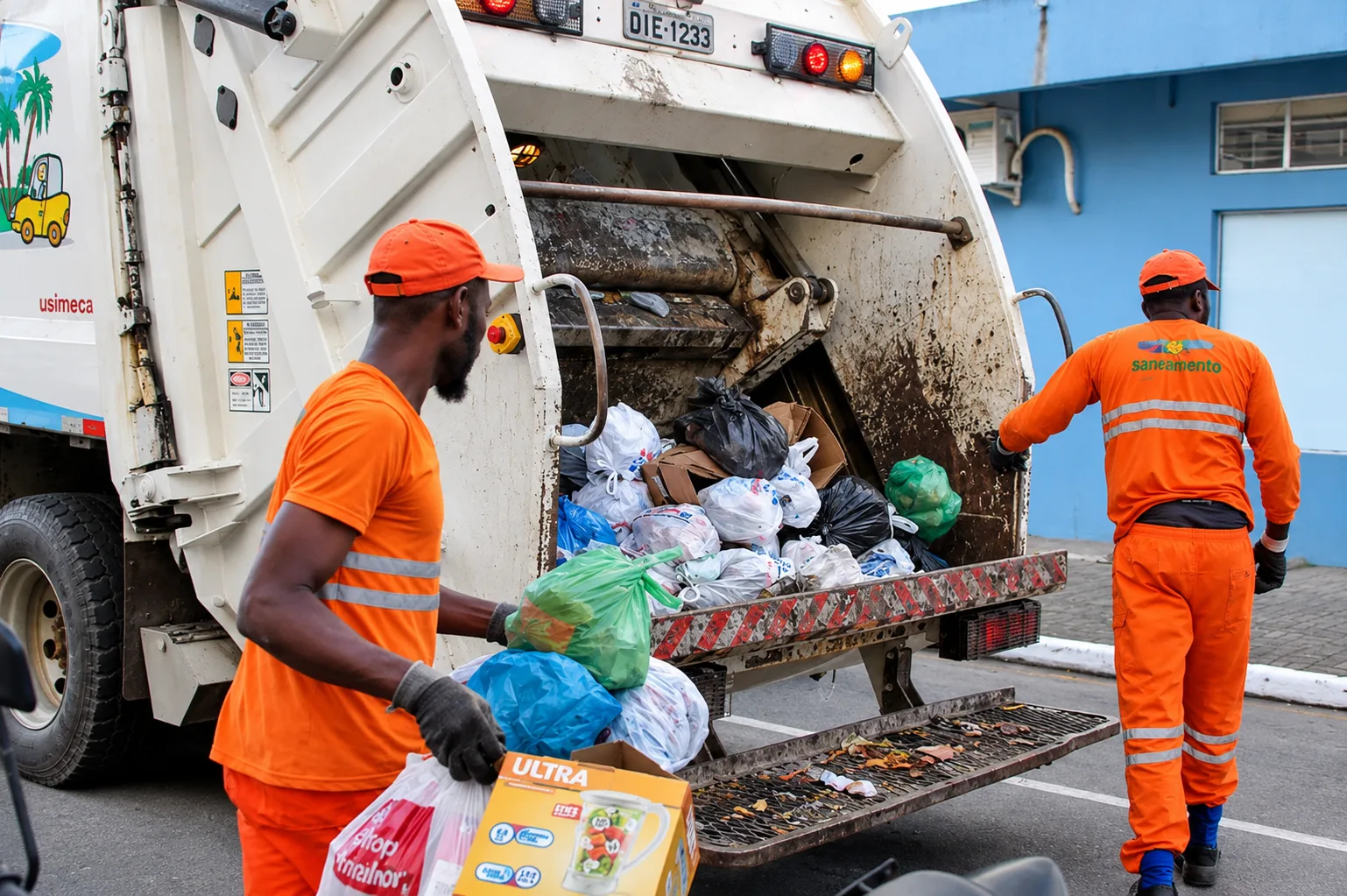
Waste collection and recycling businesses create value by collecting, sorting and supplying recyclable materials such as plastics, metals, paper and used packaging to recycling companies and processors.
An entrepreneur can begin with collection and aggregation before investing in larger processing equipment. Partnerships with households, businesses, estates and recycling facilities can help establish a reliable supply chain.
What you need: Collection arrangements, sorting space, protective equipment, transportation and relationships with recycling buyers.
Main challenge: Collection logistics, inconsistent supply, material prices and environmental regulations.
- Competition level: Moderate
- Estimated startup cost: ₦500,000 – ₦5,000,000
- Growth potential: ★★★★★
Best Businesses to Start Based on Your Budget
Your available capital should influence the kind of business you choose. The table below provides a general starting point, not a guarantee that every business within a category can be launched at the same cost.
| Available budget | Businesses worth exploring |
|---|---|
| Under ₦500,000 | Graphic design, social media management, cleaning, thrift sales, small food orders |
| ₦500,000 – ₦2 million | Laundry, food vending, phone accessories, beauty services, small-scale fish farming |
| ₦2 million – ₦5 million | Grocery retail, poultry, CCTV installation, solar services, dispatch operations |
| Above ₦5 million | Agricultural processing, larger retail distribution, recycling operations, expanded logistics |
Remember: Your existing resources matter. Someone who already owns a laptop, has technical skills or has access to a workspace may need significantly less capital than someone starting from scratch.
How to Choose the Right Business for Your Location
A business opportunity should be evaluated within the market where you intend to operate.
For example, a food business near offices may benefit from lunch orders, while a laundry service near student accommodation may attract regular customers. A logistics business in a busy commercial area may have a different customer base from one serving residential neighbourhood.
Before committing your money, investigate:
- What products or services people regularly request in your area.
- Which businesses already serve those customers.
- What customers complain about when using existing providers.
- Whether suppliers, equipment and transportation are accessible.
- Whether your expected selling price can cover operating costs.
Common Mistakes to Avoid When Starting a Business
Even a promising business idea can struggle when it is poorly managed. Some common mistakes include:
- Starting without market research: Assuming people will buy simply because you like the idea.
- Underestimating operating costs: Budgeting for equipment and stock but forgetting electricity, transportation, rent, maintenance and staff.
- Ignoring customer trust: Providing poor service, making misleading claims or failing to communicate properly.
- Expanding too quickly: Investing heavily before establishing consistent demand.
- Depending entirely on referrals: Failing to create additional ways for potential customers to discover the business.
- Poor financial records: Mixing personal and business money or failing to track expenses and revenue.
These problems are part of wider challenges affecting Nigerian entrepreneurs. We explore them further in
Challenges Facing Businesses in Nigeria in 2026
How to Test a Business Idea Before Investing
You do not always need to establish a full business before finding out whether people are interested in your product or service.
A simple validation process can help:
- Identify your target customers: Determine who is most likely to pay for what you offer.
- Study existing competitors: Examine their prices, service quality, customer feedback and market positioning.
- Speak with potential buyers: Ask what they currently use, what problems they experience and what they would pay for a better solution.
- Start with a small test: Offer a limited product range or service to a small group of customers.
- Review the results: Compare your revenue with your costs, customer feedback and repeat orders before expanding.
Testing first can help you avoid committing too much money to an idea that has not yet demonstrated demand.
Frequently Asked Questions
1. What is the most profitable business to start in Nigeria in 2026?
There is no single business that is guaranteed to be the most profitable. Food, agriculture, digital services, logistics, renewable energy and skilled technical services all offer opportunities. Profitability depends on demand, operating costs, location, competition and business management.
2. What business can I start in Nigeria with ₦100,000?
Depending on the resources and skills you already have, you could explore graphic design, social media management, small-scale food sales, cleaning, thrift clothing or other service-based businesses. Starting small and reinvesting earnings may be more practical than immediately opening a physical shop.
3. Which businesses can I start from home?
Examples include digital marketing, graphic design, video editing, tutoring, home-based catering, fashion alterations and some forms of online retail. The best option depends on your skills, available space and customer demand.
4. Are service businesses better than product-based businesses?
Neither is automatically better. Service businesses may require less inventory, but they depend heavily on skills, reliability and customer satisfaction. Product businesses can grow through repeat sales and distribution, but often require stock, storage and working capital.
5. How do I attract customers to a new business?
Start by identifying your target audience, presenting your products or services clearly, maintaining good customer relationships and making your business easy to discover. Recommendations, social media, local partnerships and business discovery platforms can all help you reach potential customers.

Final Thoughts
Starting a business in Nigeria in 2026 requires more than selecting an idea from a list. It requires understanding the market, identifying customers, calculating costs and building a business that can operate sustainably.
Whether you choose food production, retail, digital services, agriculture, logistics or technical services, focus on solving a real problem and delivering consistent value. Start at a scale you can manage, learn from your customers and expand when the business is ready.
A promising opportunity is only the beginning. The way you execute it determines what it can become.