


Challenges Facing Businesses in Nigeria in 2026: How Economic Policies and Reforms Affect Businesses
An examination of inflation, exchange-rate reforms, government borrowing, monetary policy, energy costs and the role of businesses in Nigeria’s economic development.
Introduction: Understanding the Challenges Facing Businesses in Nigeria
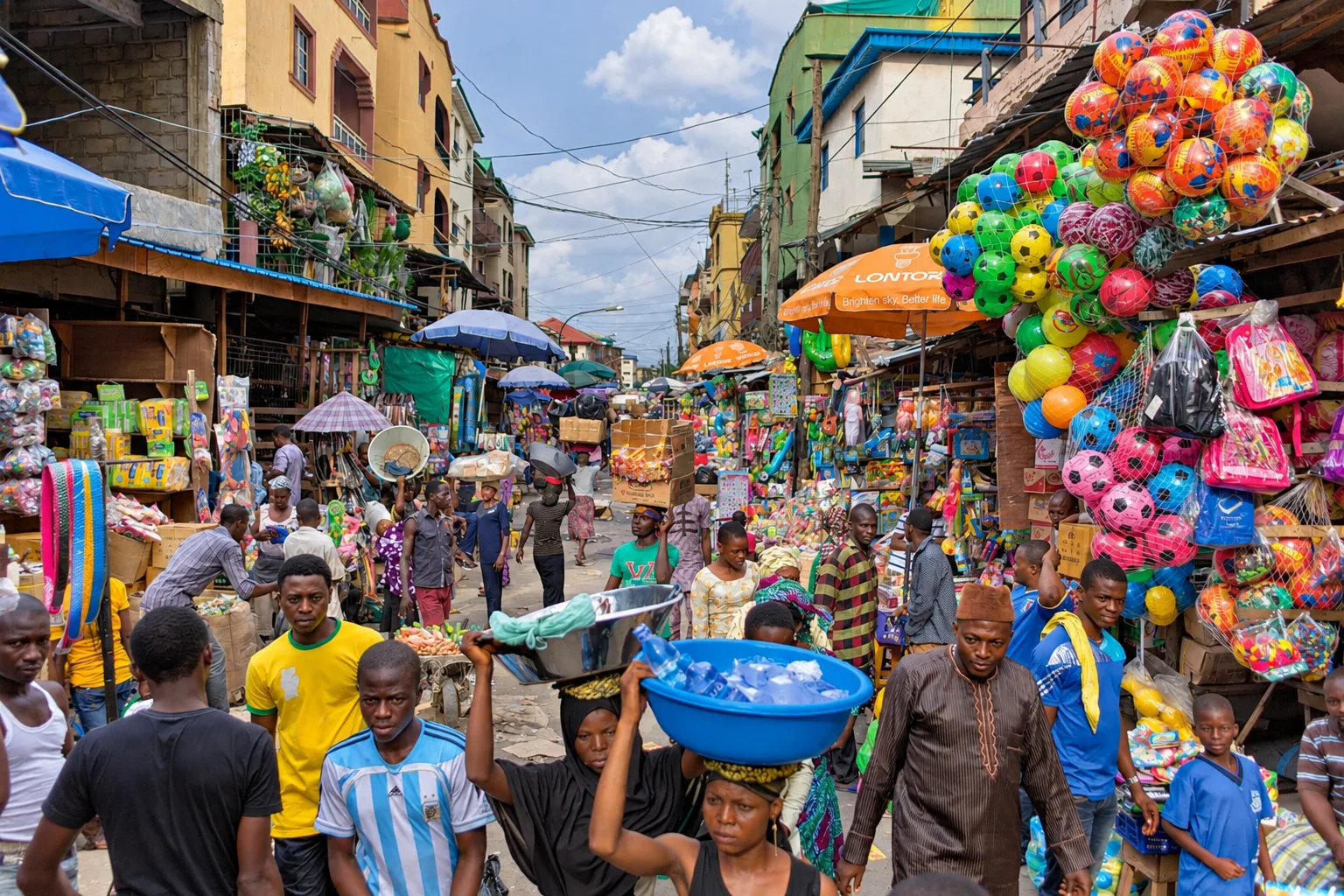
Running a business in Nigeria has become an increasingly complicated exercise. From small retailers and independent service providers to manufacturers, construction companies and large corporations, businesses operate in an environment shaped by rising costs, limited access to finance, infrastructure challenges, inflation and changing government policies.
The challenge is not simply that the cost of doing business is high. It is that several economic pressures often occur simultaneously, while the purchasing power of customers, fraudulent acts that hinder businesses, access to financing and reliability of essential infrastructure remain constrained.
Consider a manufacturer that imports electronic components, assembles them locally and sells finished products to Nigerian consumers. The business must acquire foreign currency to pay overseas suppliers, pay import duties and shipping charges, cover electricity and transportation expenses, maintain equipment, pay employees and meet other operating costs.
If it needs additional capital to expand, it may have to approach a financial institution where lending rates are considerably higher than the expected return on its investment.
After absorbing all these expenses, the business must still find customers who can afford its products.
This illustrates a central problem confronting the Nigerian business environment: businesses are spending more to operate while many consumers have less disposable income to spend.
Understanding these challenges requires looking beyond individual businesses and examining the wider economic conditions influencing their operations.
1. The Major Problems Facing Businesses in Nigeria

Several factors contribute to the difficulties experienced by Nigerian businesses. Although their effects differ across industries, many of these challenges are interconnected.
Weak purchasing power and limited consumer income
A business needs customers with disposable income: money remaining after essential expenses such as food, housing, transportation and utilities have been paid.
When inflation rises faster than household income, consumers begin to prioritize necessities and postpone other purchases.
A company may have a good product, competitive pricing and adequate stock, yet experience declining sales because its customers cannot afford to purchase as frequently as before.
This creates a difficult situation. Businesses need revenue to remain operational, but the financial capacity of their customers directly influences how much they can sell.
High production and operating costs
Manufacturing and service delivery require raw materials, machinery, energy, labor, transportation, maintenance and other operating expenses.
Nigeria's dependence on imported machinery, spare parts, industrial chemicals and intermediate goods exposes local producers to exchange-rate movements.
Even businesses that manufacture locally may have production costs tied to foreign currencies because some of their inputs are imported.
For service businesses, the pressure may come from fuel, equipment, transportation, rent, employee salaries and the cost of maintaining operations.
Inflation and the rising cost of inventory
Inflation is the sustained increase in the general price level of goods and services. It reduces the purchasing power of money.
For businesses, inflation means that the capital previously used to purchase inventory may no longer be sufficient to replace the same quantity of goods.
A retailer who sells stock without accounting for replacement costs may gradually lose the capital required to continue operating.
Poor or expensive infrastructure
Businesses require reliable electricity, roads, water, telecommunications and industrial infrastructure.
Where public infrastructure is unreliable, companies must provide alternatives.
A manufacturer may operate generators, purchase diesel, maintain backup equipment and absorb additional transportation expenses because of poor roads.
These are not necessarily productive investments. They are additional costs incurred simply to keep the business functioning.
Foreign-exchange exposure
Import-dependent businesses require foreign currency to pay international suppliers. When the naira depreciates, the domestic-currency cost of importing the same product increases.
This affects businesses importing finished goods as well as manufacturers importing components, machinery and raw materials.
Restricted access to affordable credit
Businesses need financing to purchase inventory, expand production, acquire machinery and manage cash-flow shortages.
However, banks must assess the likelihood that borrowers will repay their loans. High interest rates, unstable revenue, weak collateral and unpredictable operating costs can make lending to small businesses particularly risky.
A business may have a promising idea and a market for its products but lack the financial capacity to execute its plans.
Policy and institutional uncertainty
Businesses depend on predictable laws, regulations and government institutions. Unclear policies, frequent regulatory changes, lengthy administrative processes, inconsistent enforcement and delayed resolution of commercial disputes increase the cost of operating.
Investors must consider not only whether a project is profitable, but also whether they can reliably obtain permits, enforce contracts and protect their investments.
These challenges reinforce one another. High import costs can increase selling prices. Higher prices can reduce customer demand. Lower sales weaken cash flow, making loan repayment more difficult. Expensive credit then limits the business's ability to expand or improve efficiency.
The result is an operating environment in which businesses must continuously defend their margins simply to remain operational.
2. Nigeria's Economic Reforms Since 2023: Fuel Subsidy Removal and Exchange-Rate Unification
The 2023 general election brought President Bola Ahmed Tinubu into office on 29 May 2023.
His administration inherited several longstanding economic problems, including foreign-exchange restrictions, fuel subsidy expenditure, declining confidence in the naira, fiscal pressures and weak domestic productivity.
The administration subsequently introduced two major reforms that fundamentally changed the Nigerian economy: the removal of the petrol subsidy and the unification of the foreign-exchange market.
Both policies addressed structural weaknesses that had existed for years. However, their implementation also produced significant adjustment costs for households and businesses.
Fuel subsidy removal: Understanding the economic impact
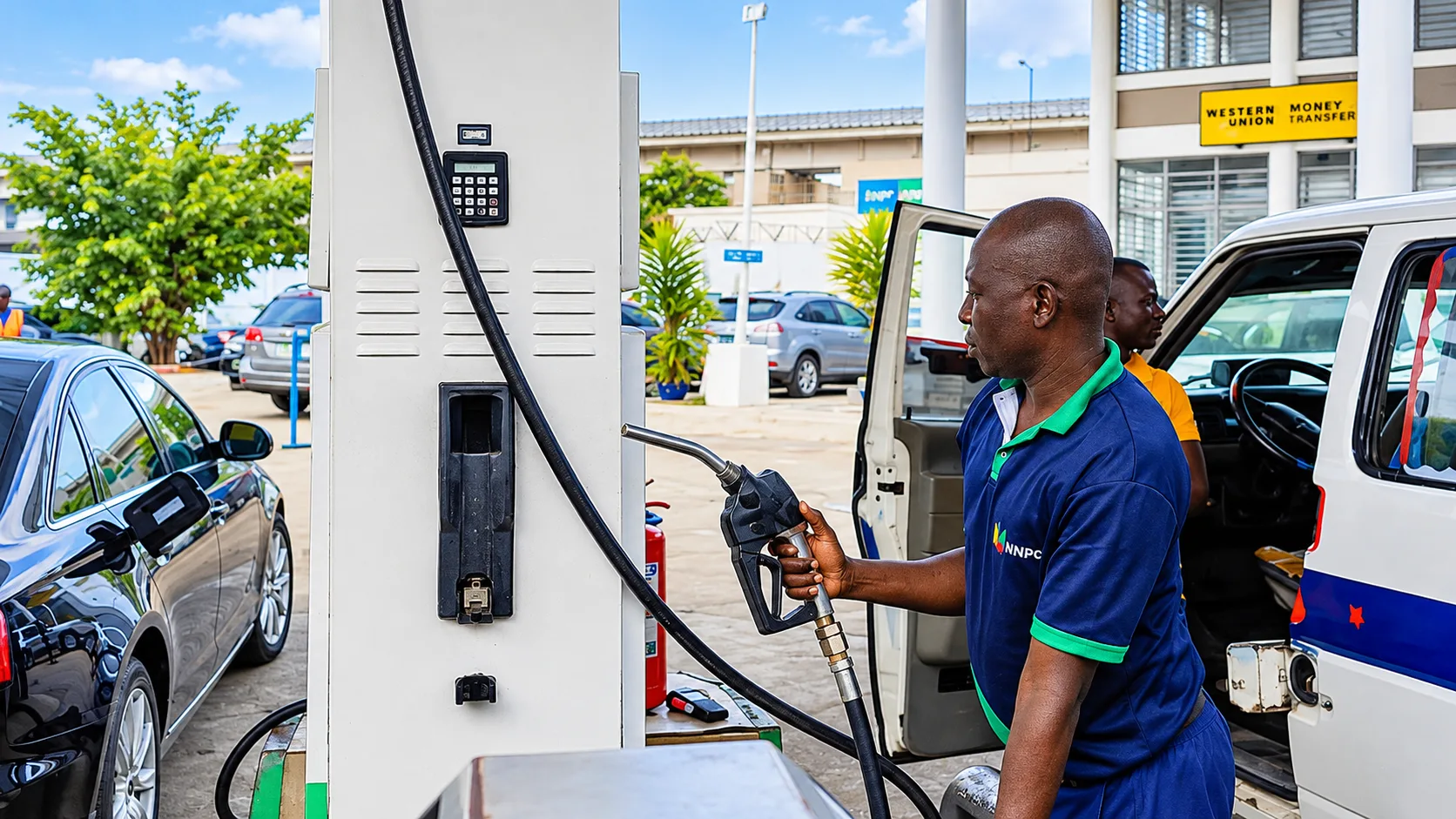
Before the removal of the subsidy, the government maintained a system in which petrol was sold domestically at a regulated price that could be lower than the full cost of supplying it. The difference between the regulated domestic price and the actual supply cost was effectively absorbed through government arrangements involving the Nigerian National Petroleum Company Limited and public finances.
For example, if the economic cost of supplying a litre of petrol was ₦500 but the regulated selling price was ₦200, the difference of ₦300 had to be financed somewhere within the system.
This arrangement became increasingly expensive.
Nigeria had to contend with substantial petrol consumption, import dependence, foreign-exchange requirements and the fiscal cost of maintaining regulated prices. The system was also associated with opportunities for diversion and arbitrage, including the movement of subsidized petrol across borders.
The IMF had repeatedly identified fuel subsidies as a significant fiscal burden and supported reform accompanied by appropriate social protection.
The difficulty with removing the subsidy was not necessarily that the economic argument for reform was invalid. It was that removal immediately exposed households and businesses to higher energy costs without an equally immediate expansion of alternatives.
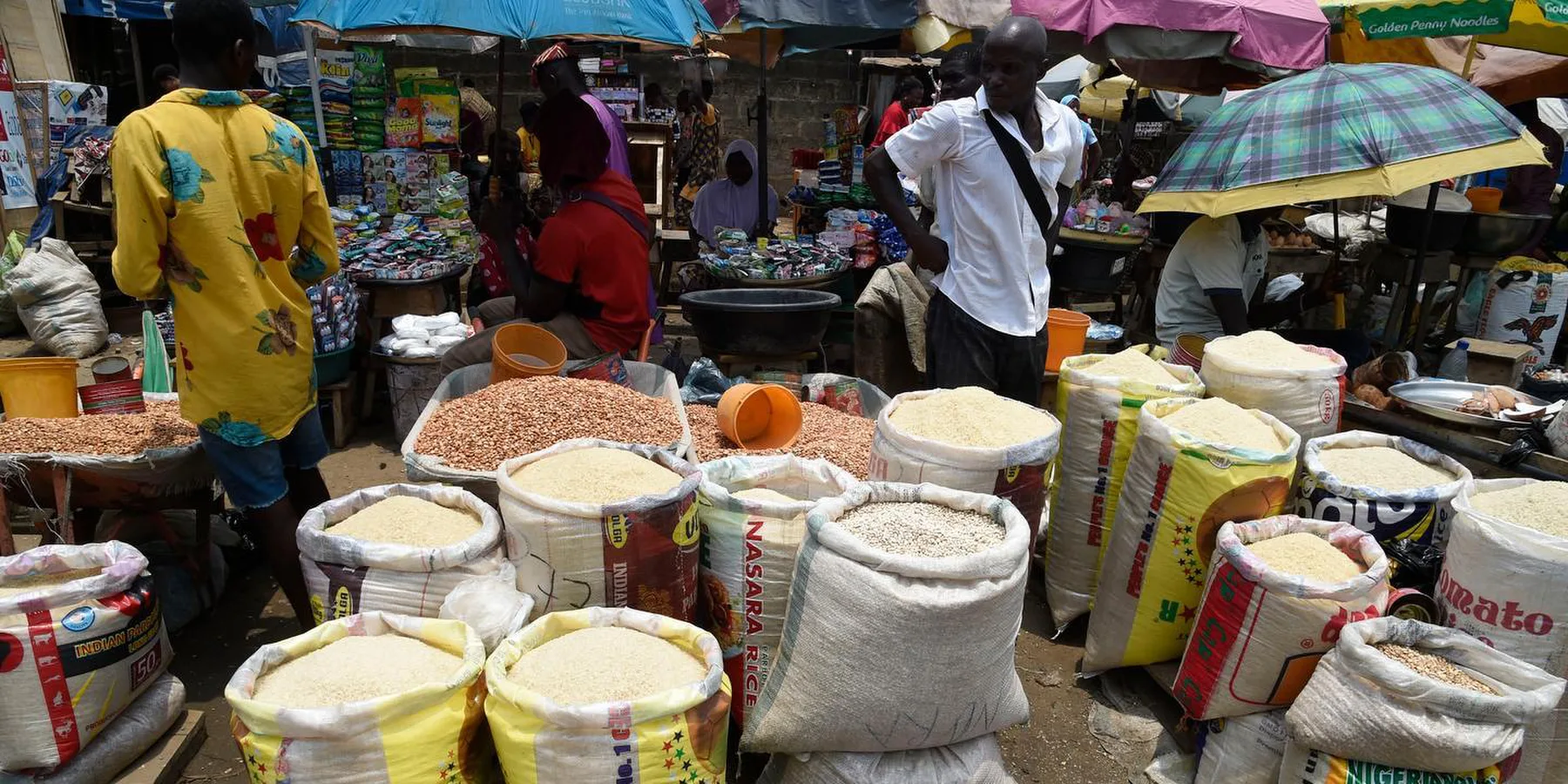
Transportation became more expensive. Businesses relying on generators faced higher operating costs. Distribution companies had to reconsider logistics expenses. Food transportation became more expensive, contributing to higher market prices.
In effect, a policy intended to reduce the government's fiscal burden transferred a substantial portion of the immediate adjustment cost to households and businesses.
The long-term benefits depend on whether the savings are transparently redirected towards productive infrastructure, public services and targeted support. Removing a subsidy does not automatically produce those benefits.
Foreign-exchange reform: The end of the fragmented official market
Before June 2023, Nigeria operated a managed foreign-exchange system with multiple official windows and administrative controls. The official exchange rate did not always reflect the price at which foreign currency could actually be obtained by businesses and individuals facing unmet demand.
For example, the official market might quote a dollar at ₦460 while the parallel market sells it at ₦750. These figures illustrate the type of disparity that existed during periods of market fragmentation.
This created an artificial distinction between different categories of buyers and sellers.
Some businesses could obtain foreign exchange through official channels, while others struggled to access sufficient dollars. The difference between official and parallel rates encouraged arbitrage, speculative behavior and rent-seeking opportunities.
It also created uncertainty for businesses trying to calculate the actual cost of importing goods.
On 14 June 2023, the Central Bank of Nigeria introduced a willing-buyer, willing-seller framework intended to unify the foreign-exchange market and improve price discovery. Further changes followed as Nigeria moved towards a more flexible, market-determined arrangement in 2024.
The reform addressed a genuine structural problem: an exchange rate that could not consistently clear the market.
However, unifying the market also meant that the naira had to adjust towards a more realistic price reflecting foreign-currency supply and demand.
For import-dependent businesses, this was a major shock. The cost of imported machinery, spare parts, pharmaceutical ingredients, industrial materials and finished consumer products increased.
The reform improved the framework for price discovery, but it did not immediately create additional dollar supply, increase exports or make domestic manufacturing more competitive.
This distinction is important: correcting the price of foreign exchange does not automatically correct the shortage of foreign exchange.
3. The 2022–2023 Naira Crisis, Currency Redesign and Government Financing
Another important development surrounding the 2023 election was the naira redesign introduced by the previous administration under President Muhammadu Buhari and the Central Bank of Nigeria. In October 2022, the CBN announced plans to redesign the ₦200, ₦500 and ₦1,000 banknotes.
The policy was introduced with stated objectives that included reducing cash hoarding, improving the security of banknotes, promoting financial inclusion and reducing the volume of currency held outside the banking system.
The CBN's 2022 annual activity report stated that the exercise sought to address an estimated ₦2.73 trillion of currency in circulation outside the banking system.
The policy was implemented during the run-up to the February 2023 general election.
However, implementation was chaotic.
Old notes were withdrawn faster than replacement notes became available. Individuals and businesses deposited their old notes but struggled to obtain sufficient new currency. Electronic payment channels experienced pressure, and many Nigerians found themselves unable to access cash for ordinary transactions.
Following legal disputes and intervention by the Supreme Court, old and redesigned notes were permitted to circulate together for a period.
The crisis affected market traders, transport operators, small businesses, artisans and households that depended heavily on cash.
It is important, however, to distinguish between the naira redesign and money creation. The redesign was principally an attempt to replace existing banknotes, not an injection of new monetary wealth. The temporary circulation of old and new notes together did not, by itself, establish that the money supply had doubled.
The cash shortage was a major disruption to economic activity, but the claim that the government printed money specifically to finance the 2023 election requires stronger evidence than the existence of the redesign exercise.
The more documented problem: Ways and Means financing
A separate and significant monetary issue was the extensive use of Central Bank financing to support government expenditure.
The CBN's Ways and Means Advances are a form of short-term financing provided to the Federal Government.
When government expenditure exceeds available revenue and conventional financing is insufficient, the government may rely on such advances.
The problem arises when this financing becomes excessive and persistent.
The government spends the borrowed money, and the funds enter the economy through payments to contractors, salaries, suppliers and other recipients. Depending on the circumstances, this can increase liquidity and the money supply.
If additional spending is not matched by a corresponding expansion in the supply of goods and services, it can add to inflationary pressure.
The World Bank reported that Nigeria had accumulated approximately ₦26.9 trillion in Ways and Means financing by May 2023, equivalent to around 11.6 per cent of GDP in its analysis.
The CBN and Debt Management Office subsequently recorded the securitization of approximately ₦22.7 trillion of outstanding Ways and Means Advances in 2023.
The DMO explained that this securitization contributed substantially to the increase in domestic public debt between 2022 and 2023.
The DMO explained that this securitization contributed substantially to the increase in domestic public debt between 2022 and 2023. This was not a debt created overnight during the election campaign. It reflected accumulated government financing over several years.
The broader lesson is that monetary financing and currency redesign are different economic events. Both occurred around the same period, but their effects should not be confused when analyzing the causes of inflation.
4. Import Dependence, Domestic Production and the Cost of Economic Adjustment
One of the most difficult aspects of Nigeria's economic reforms has been the gap between removing existing distortions and creating the productive alternatives required to absorb the adjustment. Nigeria imports a considerable proportion of the machinery, components, industrial inputs and finished goods required by its economy.
This means that when the naira depreciates, the effects extend beyond businesses directly involved in international trade.
Consider a manufacturer that imports packaging materials, chemicals and machinery parts.
If the exchange rate changes substantially, the naira cost of replacing those materials increases. The manufacturer must either absorb the additional cost, reduce its profit margin, cut production or increase the price of its finished products.
A distributor then purchases the manufacturer's products at the new price and adds transportation, warehousing and operating costs before selling to retailers.
The retailer adds its own expenses and margin.
By the time the product reaches the final consumer, the original exchange-rate adjustment has travelled through several stages of the economy.
This is known as exchange-rate pass-through. It explains why foreign-exchange depreciation can affect the prices of products that are not directly imported.
Why domestic production matters
A country that produces more of its own industrial inputs, machinery, energy and consumer goods is generally less exposed to foreign-exchange shocks. Domestic production also creates employment, strengthens supply chains and can eventually generate export earnings.
However, building this capacity requires time, infrastructure, technology, reliable electricity, skilled labor, investment and access to finance.
Nigeria cannot immediately replace all its imports simply because the exchange rate has been liberalized.
A factory cannot appear overnight. Agricultural productivity cannot be transformed in a few months. Industrial machinery must be purchased, installed, maintained and operated. Export markets require standards, logistics, financing and reliable production.
This is why reforms that expose an economy to higher import costs need to be accompanied by policies that expand domestic productive capacity.
Without that expansion, businesses may face the cost of adjustment without receiving the benefits of a more productive economy.
The effect on housing affordability

Housing is an important example because its cost is influenced by several parts of the economy. Construction requires cement, steel, roofing materials, electrical fittings, plumbing equipment, machinery, transportation, labor and land.
Some of these materials are imported directly. Others are produced locally using imported energy, machinery or intermediate inputs.
When exchange-rate depreciation increases the cost of imported inputs, construction expenses can rise.
Higher interest rates also make property development more expensive because developers need financing to acquire land, purchase materials and complete construction.
A developer facing higher costs may increase the selling price or rent to protect the project's financial viability.
Households, meanwhile, are dealing with higher food, transportation and energy expenses. Their ability to save for a deposit or afford rent becomes weaker.
The result is a housing market where construction costs, financing costs and household purchasing power can move in unfavorable directions simultaneously.
This is not simply a problem of expensive houses. It is also a problem of the economy's ability to finance and supply affordable housing.
5. Education Financing and the Challenge of Employment Creation: Understanding NELFUND
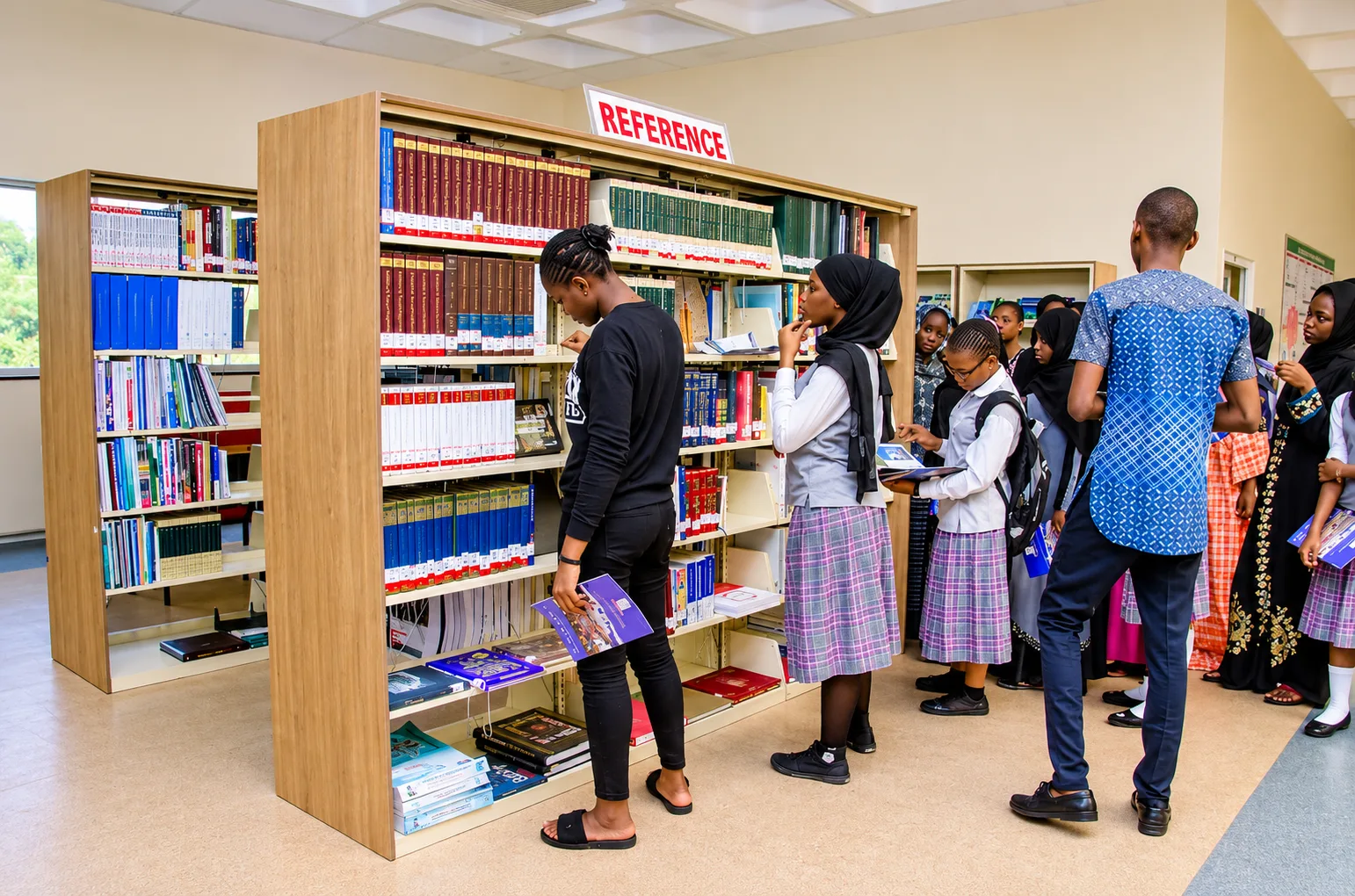
The Nigerian Education Loan Fund represents an important attempt to address the financial barriers that prevent students from accessing higher education. The Student Loan (Access to Higher Education) Act, 2024 established the framework for providing eligible students with financial support for tuition and other approved educational expenses, including maintenance allowances.
The idea is straightforward: students should not necessarily be prevented from attending university because their families cannot immediately afford the cost.
Education is an investment in human capital. A country needs educated graduates to develop its industries, operate its institutions, build technology, manage businesses and improve productivity.
However, there is another economic question that deserves attention:
What happens when the economy cannot create enough productive employment opportunities for the graduates it educates?
Consider a student who receives a loan to complete a university degree.
The student graduates, completes the National Youth Service Corps programme and begins searching for employment.
If the economy has insufficient opportunities, the graduate may remain unemployed or accept work that pays considerably less than expected.
Even when the graduate finds employment, inflation may significantly reduce the purchasing power of their income.
Under NELFUND's published repayment framework, repayment becomes due two years after completion of NYSC. Its official guidance states that 10 per cent of a beneficiary's salary is deducted at source, while self-employed beneficiaries are expected to remit 10 per cent of monthly profit. The same guidance provides for beneficiaries who remain unemployed to notify the Fund through a sworn court affidavit every three months after the relevant two-year period.
The concern is not that the existence of a student loan automatically makes education more expensive or that every beneficiary will be unable to repay.
Rather, education financing and employment creation must work together.
If the government finances education without strengthening the economy's capacity to absorb skilled graduates, the country risks producing educated people who struggle to find productive work.
A loan programme can remove the immediate financial barrier to education, but it cannot independently create the jobs, wages and productive opportunities required for graduates to repay their loans comfortably.
Education policy must therefore be connected to industrial development, entrepreneurship, technology, agriculture, healthcare, engineering and other sectors capable of employing skilled people.
6. Dangote Refinery: Industrial Development and the Limits of Domestic Refining
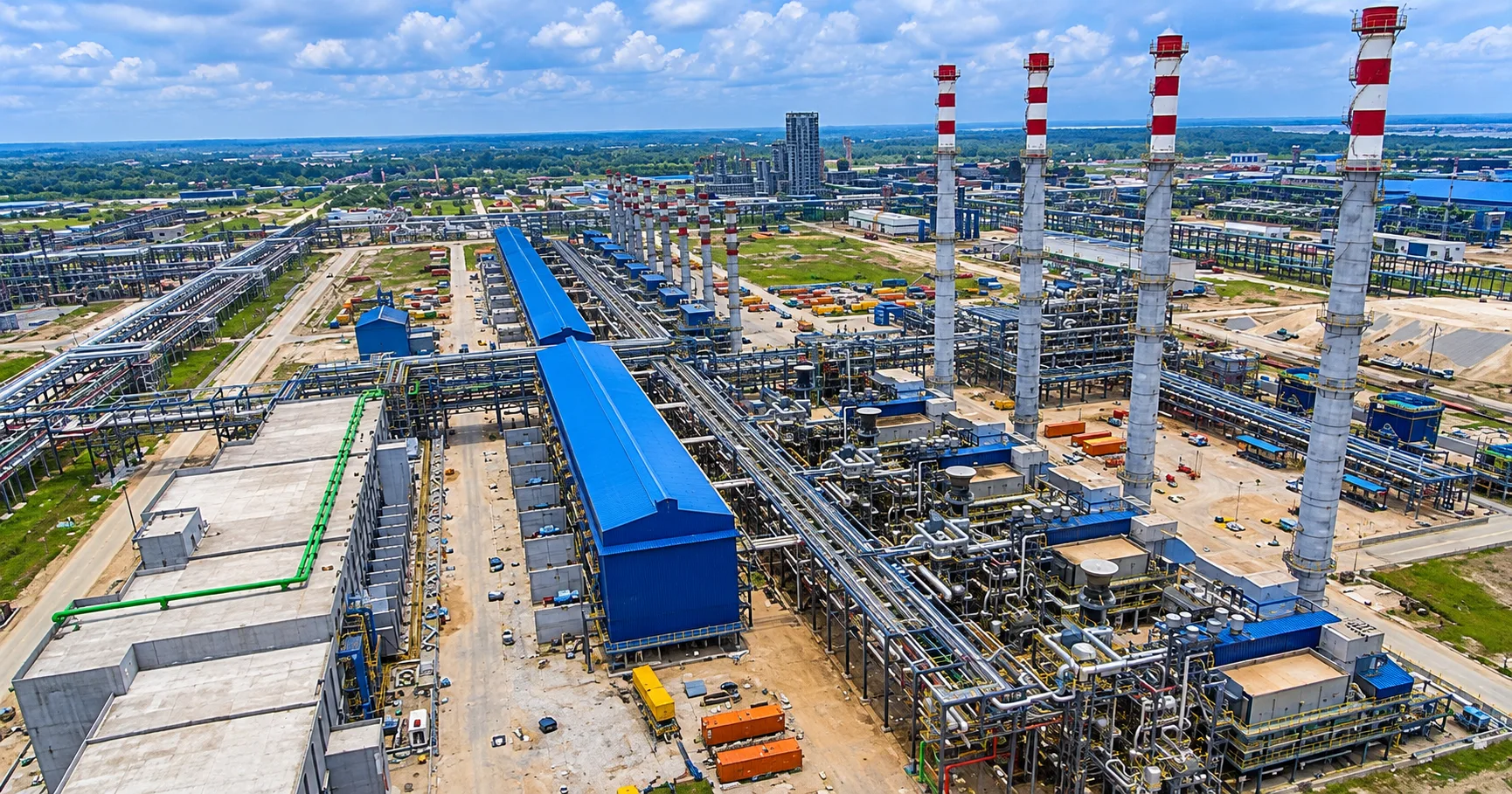
Nigeria's petroleum sector provides one of the clearest examples of the relationship between infrastructure, foreign exchange and domestic production.
For decades, Nigeria struggled with the performance and reliability of its state-owned refineries.
Despite being a major crude-oil producer, the country relied heavily on imported refined petroleum products.
This created a difficult economic arrangement: Nigeria exported crude oil but had to spend substantial foreign exchange importing petrol, diesel and other refined products.
The Dangote Petroleum Refinery was therefore viewed as a potential turning point.
With a stated capacity of approximately 650,000 barrels per day, the refinery represents one of the largest industrial investments in Africa.
Its potential benefits include reducing dependence on imported refined products, supporting domestic supply chains, creating industrial employment and reducing some of the foreign-exchange demand associated with fuel imports.
However, the expectation that domestic refining would automatically make petrol cheaper overlooked an important distinction.
Refining crude oil locally does not mean that the economic cost of crude oil, refining and distribution disappears.
Crude oil has an international market value. A refinery must account for the cost of acquiring crude, processing it, financing its operations, maintaining equipment, transporting products and distributing them to customers.
Even where crude is purchased domestically, its economic value is connected to international oil prices.
The naira-for-crude arrangement
In September 2024, the Federal Government announced an arrangement under which NNPC would supply approximately 385,000 barrels per day of crude oil to the Dangote Refinery, with payment in naira. The refinery would, in turn, supply petrol and diesel to the domestic market through the agreed arrangements.
The initiative was intended to reduce unnecessary foreign-exchange conversion costs and ease pressure on the naira.
This is important because the relationship between the refinery and crude suppliers should not be described as though all domestic crude purchases must necessarily be settled in dollars.
Nevertheless, the refinery operates within an economy where international oil prices, foreign-exchange movements, financing expenses, imported equipment, maintenance inputs and market-based pricing remain relevant.
A refinery may produce petrol domestically and still face costs influenced by international commodity prices and exchange-rate movements.
This is why the existence of a domestic refinery should not be confused with a guarantee of permanently cheap fuel.
The long-term benefit will depend on reliable crude supply, operational efficiency, competition, distribution infrastructure, stable policies and the ability to produce refined products at competitive costs.
The 2026 Dangote IPO
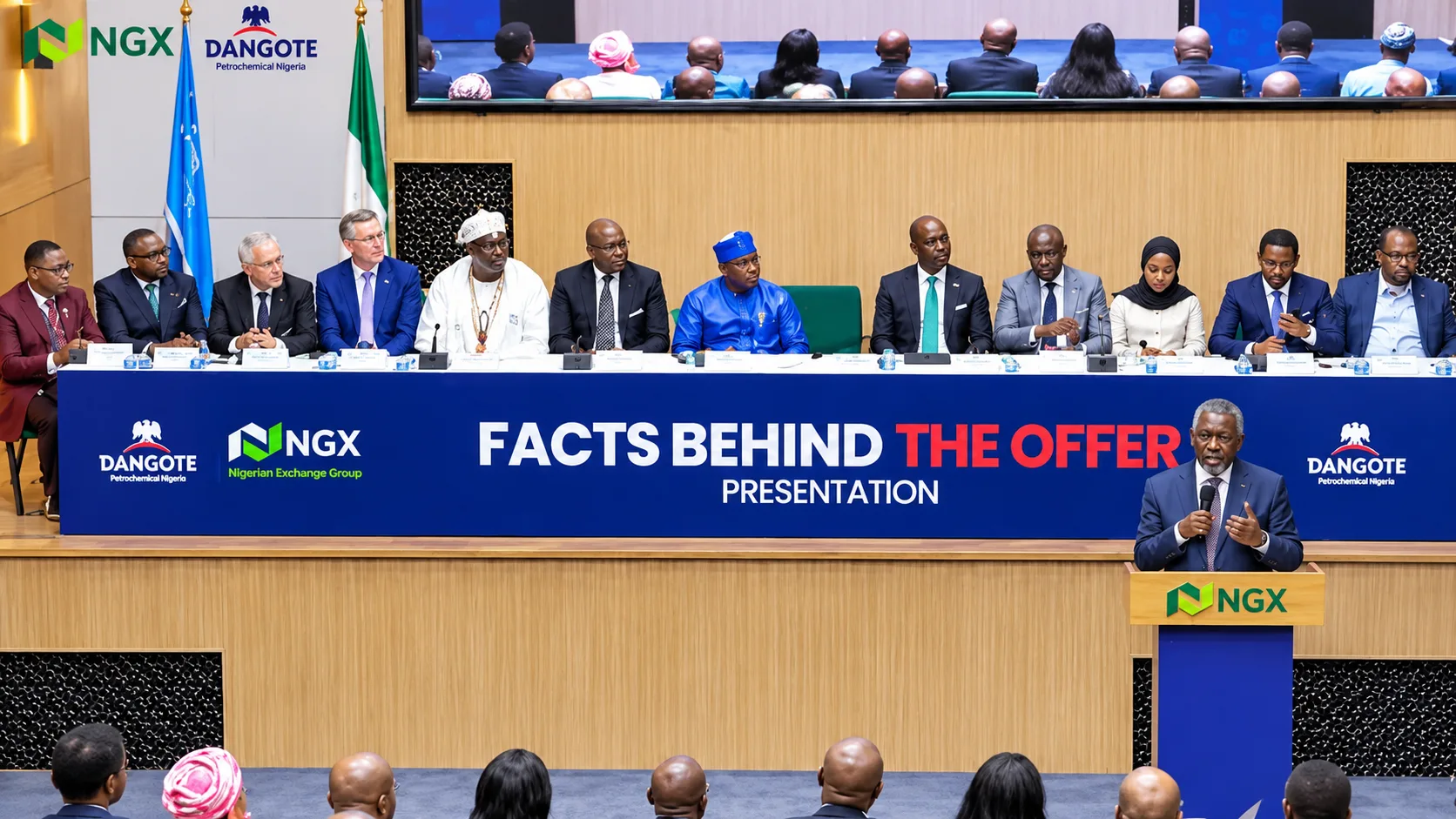
The refinery's initial public offering represents another important development.
The public offer opened in September 2026 and closed on 27 October 2026. It was designed to raise capital by selling shares to investors, giving eligible investors an opportunity to own part of the business.
Reuters reported on 17 November 2026 that the company was considering increasing the offering following substantial investor demand, subject to regulatory approval.
The IPO could provide additional capital for expansion, industrial development and increased refining capacity.
However, it is important not to confuse an IPO with a fuel-price subsidy.
The proceeds go to the company under the terms of the offering. They are not automatically transferred to Nigerian households to reduce petrol prices.
Investors will expect the company to use its capital efficiently and generate returns.
The refinery may eventually contribute to lower import dependence and improved energy security, but whether consumers benefit through lower prices will depend on the refinery's costs, competition, supply arrangements and the wider petroleum market.
7. Government Debt: Borrowing, Debt Servicing and the Cost of Limited Fiscal Space
Government borrowing is not inherently harmful.
Countries borrow to finance infrastructure, build transportation systems, expand electricity generation, improve healthcare, invest in education and support other forms of economic development. The problem arises when borrowing grows faster than the government's capacity to generate revenue and when the returns from borrowed funds are insufficient to support future repayment.
Nigeria has experienced persistent revenue constraints, which have contributed to its dependence on borrowing.
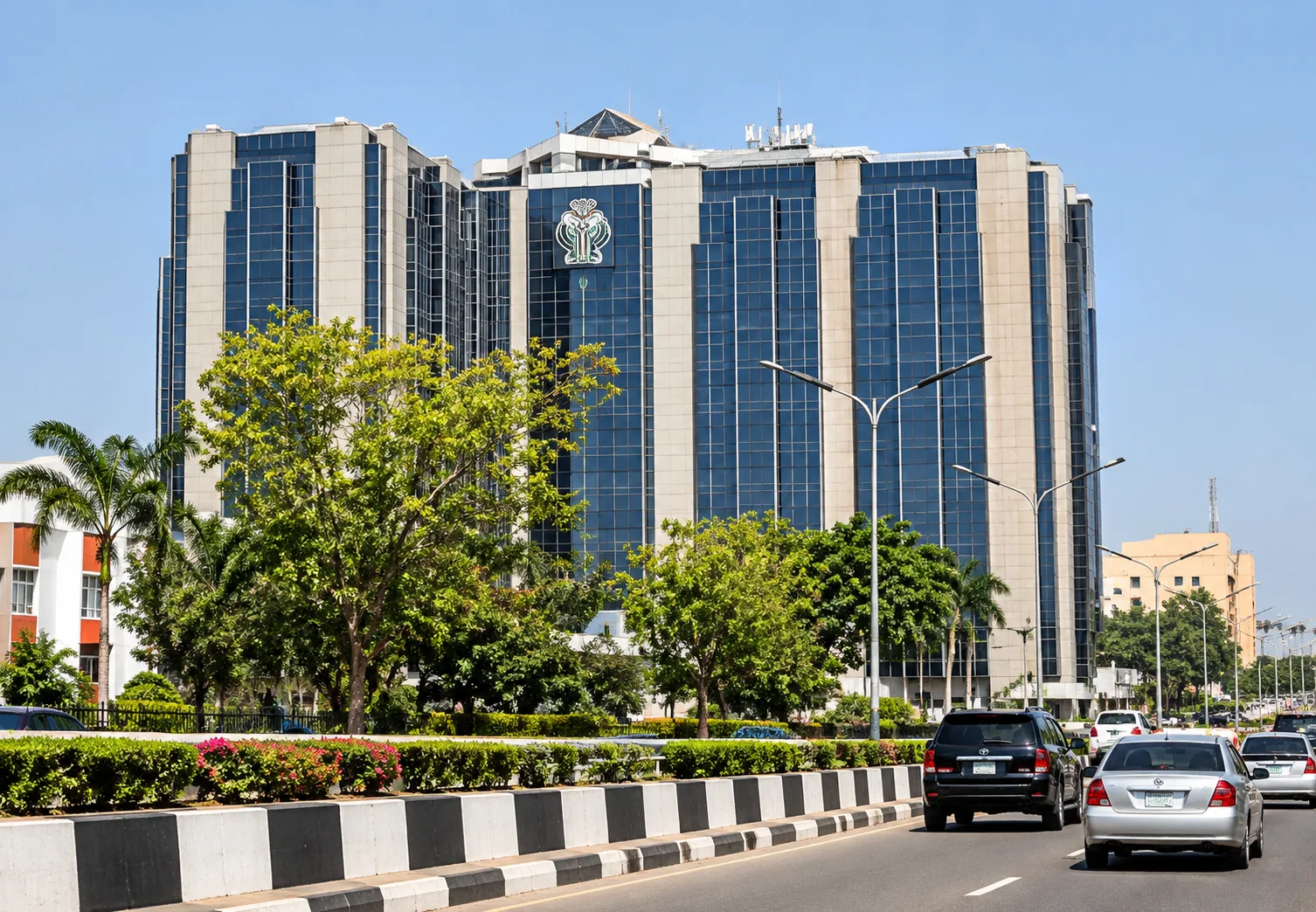
The Debt Management Office reported that total public debt stood at approximately ₦46.25 trillion at the end of December 2022.
By 30 June 2026, the total public debt portfolio had risen to approximately ₦166.79 trillion, equivalent to US$120.93 billion using the DMO's stated exchange rate for that reporting date.
The June 2026 portfolio consisted of:
| Debt category | Amount |
|---|---|
| Total domestic debt | ₦91.59 trillion |
| Total external debt | ₦75.20 trillion |
| Total public debt | ₦166.79 trillion |
Links: https://www.dmo.gov.ng/
Domestic debt accounted for approximately 54.91% of the portfolio, while external debt accounted for 45.09%
The increase in the naira value of public debt must be interpreted carefully. The depreciation of the naira increased the domestic-currency value of foreign-currency obligations, so the increase cannot be attributed entirely to new borrowing.
The different types of government borrowing
Nigeria's debt portfolio includes several instruments:
- Domestic government bonds: Securities issued to investors within the domestic financial market. They generally carry periodic coupon payments and have longer maturities than Treasury bills.
- Treasury bills: Short-term government securities, generally issued with maturities of up to one year.
- External multilateral loans: Financing from institutions such as the World Bank and African Development Bank. Such financing can support development projects and policy programmes.
- Bilateral loans: Loans obtained from foreign governments or their agencies.
- Eurobonds and other international securities: These allow governments to borrow from international capital markets, usually in foreign currency.
- Ways and Means financing: Advances from the CBN to the Federal Government. Excessive reliance on this mechanism can increase liquidity and weaken monetary-policy effectiveness.
Each borrowing instrument has different repayment conditions, interest costs, currency risks and maturities.
The problem of debt servicing
Borrowing creates future obligations. The government must repay principal and interest according to the terms of its debt. This is particularly difficult for countries with low revenue relative to their expenditure needs.
The IMF's 2026 Article IV assessment estimated that Federal Government interest payments absorbed approximately 53.2 per cent of Federal Government revenue in 2025, compared with 40.8 per cent in 2024.
The IMF also estimated that Federal Government capital expenditure was approximately 1.3 per cent of GDP in 2025, compared with a budgeted 5.1 per cent.
These figures raise a serious question about the relationship between borrowing and productive investment.
If a government borrows heavily but cannot execute the infrastructure projects needed to improve productivity, the economy may inherit substantial repayment obligations without receiving the full expected economic benefits.
For example, a properly constructed railway can reduce transportation costs, improve logistics and support industrial activity. A reliable electricity network can reduce the cost of running factories. An efficient port can reduce delays and improve international trade.
These investments can expand the economy's capacity to generate income and revenue.
However, borrowing to finance expenditure that does not generate comparable economic or social returns can leave future governments with repayment obligations and limited fiscal flexibility.
The issue is not simply how much a country borrows. It is what the country obtains from the borrowing, how efficiently the funds are used and whether the economy can generate sufficient revenue to service the resulting obligations.
8. Monetary Policy and High Interest Rates: Why Businesses Struggle to Borrow
The Central Bank of Nigeria has used monetary tightening as part of its effort to reduce inflationary pressures and restore confidence in the monetary system.
The principal instrument is the Monetary Policy Rate, commonly called the MPR.
When the CBN increases the MPR, it signals tighter monetary conditions. This can influence the cost of liquidity, bank funding, deposit rates, lending rates and the yields investors demand on government securities.
The CBN's policy rate rose to 27 per cent in November 2025. It was subsequently reduced to 26.5 per cent in February 2026 and reset to 23 per cent at the September 2026 Monetary Policy Committee meeting.
The objective of monetary tightening is to reduce inflationary pressure by making borrowing more expensive, discouraging excessive credit expansion and influencing spending and investment decisions.
However, monetary tightening has consequences for productive businesses.
Consider a manufacturer that wants to borrow ₦100 million to purchase machinery.
If the business faces a very high lending rate, the expected return on the investment may no longer justify the cost of borrowing.
The manufacturer may postpone expansion, reduce production or abandon the project entirely.
This creates a difficult situation: monetary tightening may be necessary to stabilize prices, but expensive credit can also constrain the investment needed to expand domestic production.
Why banks may prefer government securities
Banks operate businesses of their own. They must manage risk, liquidity, capital requirements and profitability.
When government securities offer attractive yields, banks and other institutional investors may find them appealing relative to lending to businesses with uncertain repayment capacity.
A government bond may offer a relatively predictable return, whereas a small business loan could involve substantial default risk, weak collateral and expensive monitoring.
This creates the possibility of crowding out.
Crowding out occurs when government borrowing competes with private-sector borrowing for available financial resources or encourages financial institutions to allocate more capital to government securities rather than private investment.
However, it would be inaccurate to suggest that banks have stopped lending to businesses altogether. Lending decisions depend on the bank's balance sheet, risk appetite, regulatory requirements, liquidity and the quality of the borrower.
The wider problem is that businesses with weak cash flows, limited collateral and uncertain operating conditions may find it increasingly difficult to obtain affordable credit.
A country needs private investment to expand its productive capacity. Businesses need financing to purchase machinery, employ workers, improve technology, build factories and enter new markets.
If credit becomes prohibitively expensive, fewer businesses can make these investments. This can weaken future production and limit employment creation.
Monetary policy alone cannot resolve this structural problem. It must be accompanied by policies that improve productivity, infrastructure, competition and the availability of long-term financing.
9. Nigeria's Foreign Reserves: What Does a Rising Reserve Actually Tell Us?
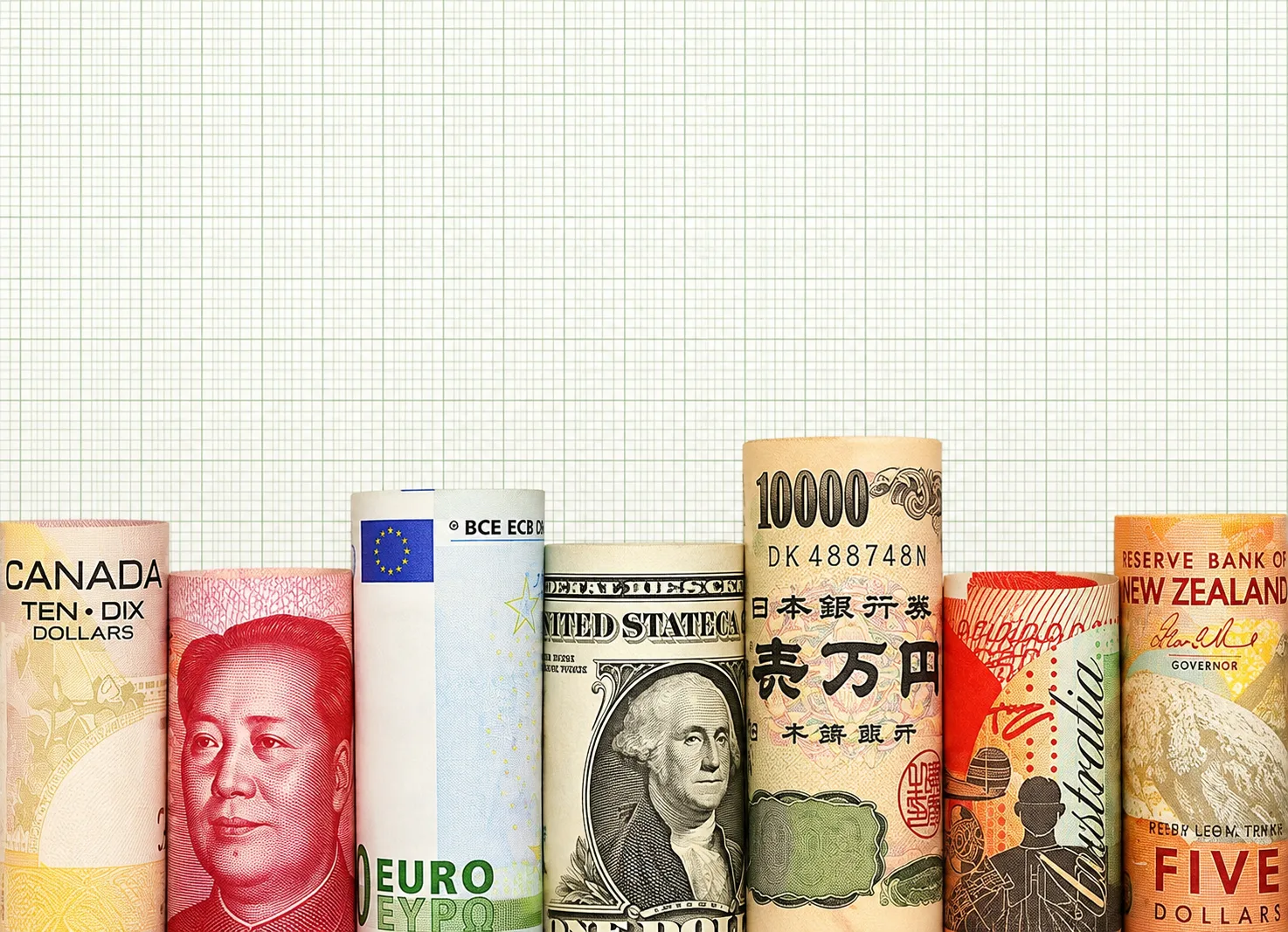
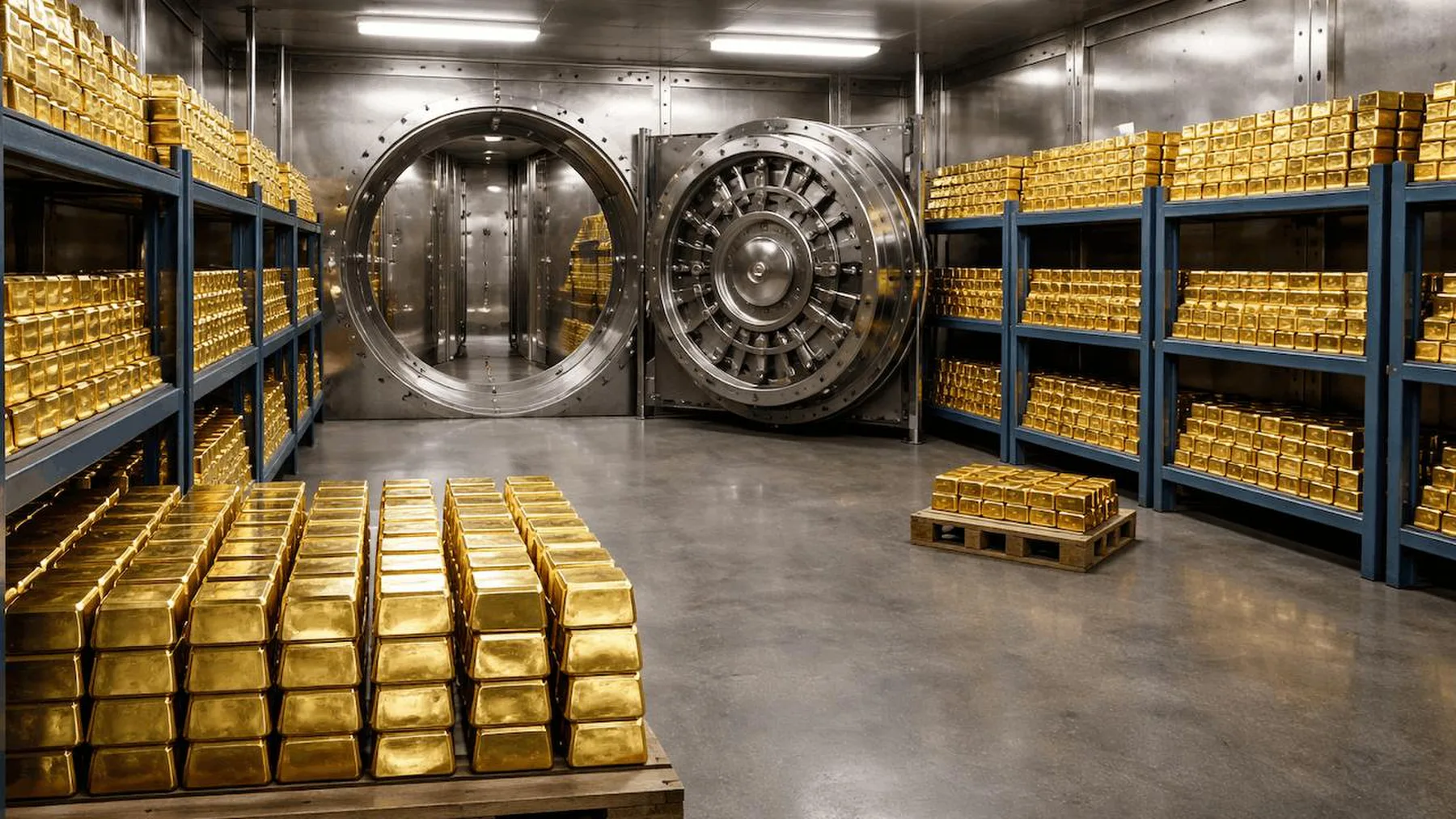
One of the administration's important economic indicators has been the improvement in Nigeria's external reserves. Foreign-exchange reserves are assets held by the monetary authorities to support international payments, provide foreign-currency liquidity and help manage external economic pressures.
They can include foreign currency deposits, foreign government securities, monetary gold, Special Drawing Rights and other qualifying reserve assets.
The CBN explains that Nigeria's reserves are held across distinct ownership categories involving the CBN, Federal Government and Federation.
However, there is an important distinction between the quality of reserves and the sources of reserve accumulation.
A foreign investor who purchases Nigerian government securities or stocks is not automatically adding that investment directly to the CBN's foreign reserves.
The investor's funds may enter the country through the financial system and contribute to foreign-exchange supply. The CBN may then acquire foreign currency through market transactions, increasing its reserve assets.
But the investor's portfolio position remains a separate financial asset and can be liquidated.
Is Nigeria's reserve made up of hot money?
The concern about hot money is legitimate, but it requires a more precise explanation. Hot money refers to short-term or relatively mobile capital that can move quickly between countries in response to changes in interest rates, exchange-rate expectations, political risk and investment returns.
For example, a foreign investor may purchase Nigerian government securities because they offer attractive yields.
If the investor becomes concerned about the naira or believes another market offers better returns, the investor may sell those securities and seek to repatriate the proceeds. Such capital flows can create pressure on the foreign-exchange market.
However, it is inaccurate to conclude that most of Nigeria's reported foreign reserves are simply speculative portfolio investments.
The IMF's 2026 assessment reported that Nigeria's gross international reserves increased to approximately US$46 billion at the end of 2025, from US$40 billion at the end of 2024.
The increase was supported by several sources, including:
- A current-account surplus.
- Approximately US$6 billion in net purchases of CBN open-market operations by non-residents.
- Approximately US$2.3 billion from a Eurobond issuance.
The IMF also reported that net international reserves increased to approximately US$35 billion at the end of 2025, from US$23 billion at the end of 2024.
These figures show that foreign portfolio flows contributed to the reserve improvement, but they were not the only source.
The distinction between gross and net reserves is important because gross reserves do not necessarily represent the entire amount of foreign currency freely available for every intervention. Financial obligations, encumbrances and other adjustments matter when assessing the country's net external position.
The correct question is therefore not simply whether reserves are rising, It is whether the reserves are sufficiently liquid, accessible and sustainable, how they were accumulated, what obligations exist against them, and whether the country is generating enough foreign exchange through exports and other recurring sources.
A country that accumulates reserves through strong exports, diversified production and sustainable foreign investment is in a stronger position than one relying excessively on temporary capital inflows.
10. Inflation in Nigeria: Why the Cost of Doing Business Remains High
Inflation is one of the most visible economic pressures confronting Nigerian businesses and households. It affects almost every part of the production and distribution process.
A company may experience rising prices for raw materials, transportation, electricity, rent, packaging, machinery maintenance and labor. Even when a business manages to control some of its expenses, the wider increase in the cost of living can reduce the purchasing power of its customers.
What caused Nigeria's inflationary pressure?Nigeria's inflation cannot be explained by a single event or policy. Several factors have interacted over time.
- 1. Exchange-rate depreciation
- 2. Fuel subsidy removal
- 3. Monetary financing and liquidity
- 4. Food supply constraints
- 5. Energy costs
- 6. Import dependence
- 7. Inflation expectations
Conclusion:
The challenges confronting Nigerian businesses in 2026 are part of a much larger economic story. The country has attempted significant reforms to address longstanding distortions in its fuel and foreign-exchange systems. These reforms were intended to improve fiscal sustainability, market efficiency and investor confidence and trust

Disclaimer: This article is an independent economic analysis for educational and informational purposes. It is not financial, investment, legal or economic advice. The figures and policy developments discussed are based on publicly available information as of November 2026. Economic indicators may be revised, and the interpretation of policy outcomes remains subject to debate.