


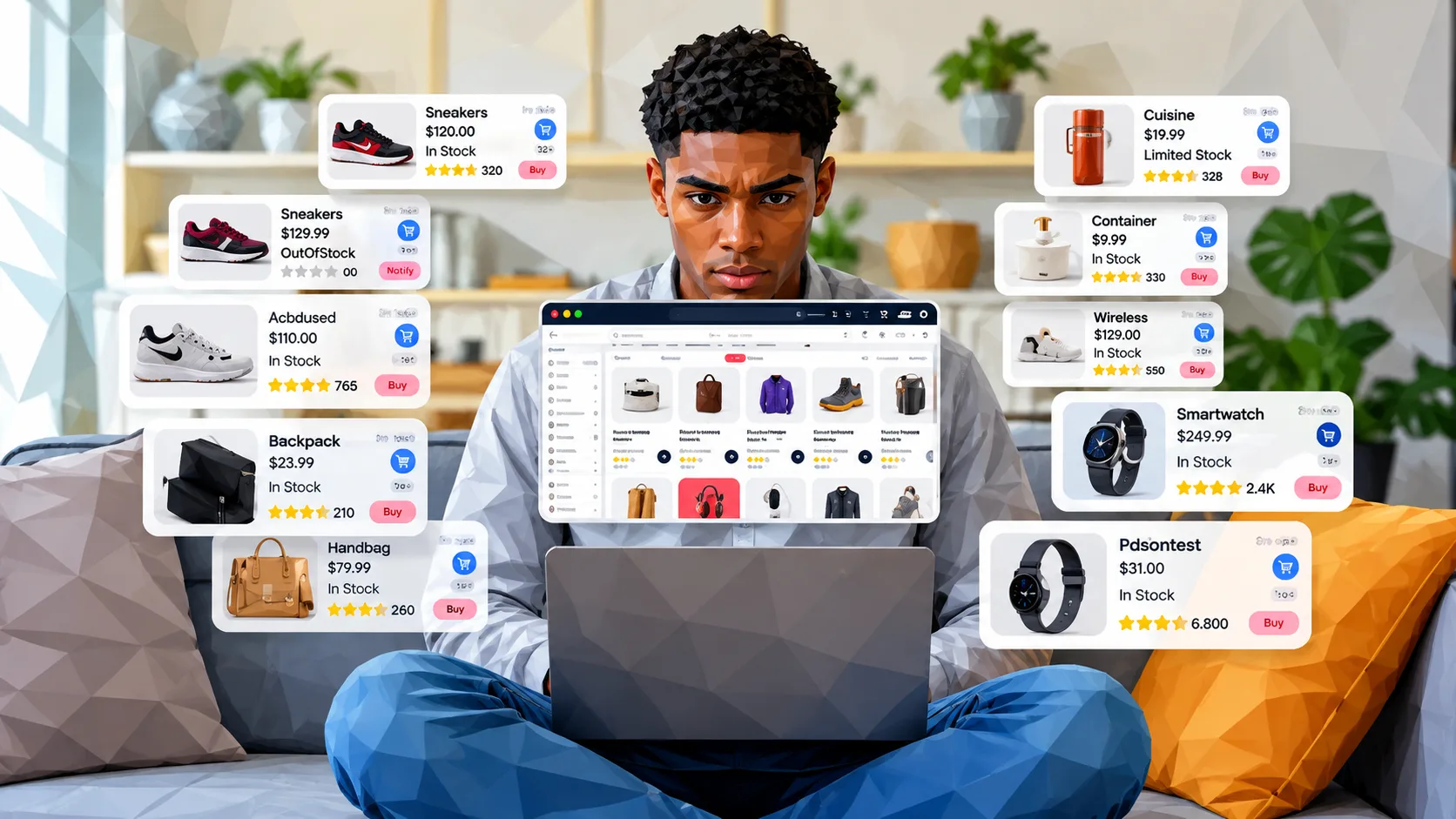
Why Customers Fear Buying Online: How Dishonest Transactions Destroy Customer Confidence
The Growing Fear of Doing Business Online
Buying products and hiring services online have become increasingly convenient. Customers can discover vendors, compare prices, communicate with service providers and arrange transactions without physically visiting a business.
However, this convenience comes with a growing concern: Can I trust the person or business on the other side of this transaction?
Stories of customers paying for products that never arrive, receiving counterfeit goods, encountering impersonators or losing money to fraudulent service providers have made many people cautious about doing business online.
The problem goes beyond the money lost in individual transactions. Every dishonest transaction can weaken confidence in online commerce, making customers more hesitant to purchase, even from businesses that operate legitimately.
What Is Business Fraud?
Business fraud occurs when an individual or organization deliberately uses deception, false information or dishonest practices to obtain money, goods, services or another financial benefit.
In commercial transactions, fraud can occur at different stages. A seller may advertise a product that does not exist, a service provider may misrepresent their qualifications, or someone may impersonate an established business to collect payments from unsuspecting customers.
It is important to distinguish deliberate deception from ordinary business failures. A delayed delivery, a misunderstanding or poor customer service does not automatically amount to fraud. However, intentionally misleading customers or collecting payment through false promises can turn a business transaction into a fraudulent activity.
Common Types of Business Fraud in Nigeria
Fraud can occur through several channels, including social media, messaging applications, websites, online marketplaces, telephone calls and even physical business interactions.
Some common examples include:
Fake Vendors and Online Sellers: Individuals create social media pages or online business profiles to advertise products they do not actually possess. They collect payments and become unreachable afterwards.
Counterfeit and Misrepresented Products: Customers pay for original products but receive imitations, inferior alternatives or items that are significantly different from what was advertised.
False Advertisements and Unrealistic Offers: Fraudsters use attractive prices, exaggerated discounts and misleading product descriptions to convince customers to make quick payments.
Business and Identity Impersonation: Individuals pretend to represent established companies, recognized vendors or legitimate service providers. They may use copied logos, photographs, business names and contact details to appear credible.
Advance-Fee Scams: Customers are asked to pay deposits, registration fees, processing charges or other upfront payments for products and services that are never delivered.
Fraudulent Service Providers:
Individuals claim to possess professional skills or experience they do not have. They may collect payments for repairs, construction, maintenance or other services without the intention or ability to fulfil the agreement.
Payment and Transaction Scams: Customers may receive fake payment notifications, fraudulent transfer confirmations or misleading payment instructions intended to make them release goods or provide services without receiving actual payment.
These activities can take place through Instagram, Facebook, WhatsApp, online marketplaces, websites, phone calls and direct business engagements. The channel may differ, but the underlying problem is deception.
How Fraud Happens During Business Transactions
Fraud does not always happen at the point of payment. It can develop throughout the entire transaction process.
Before Payment: A fraudster may create a convincing business identity, advertise attractive products, display stolen photographs or make promises designed to gain the customer's confidence.
During Negotiation: They may introduce urgency, discourage further verification, provide misleading information or pressure the customer into paying quickly.
After Payment: The individual may stop responding, block the customer, delay delivery indefinitely or provide excuses without any genuine intention of completing the transaction.
In other situations, the deception may become apparent only after delivery, when the customer discovers that the product or service does not match what was promised.
This makes it difficult for customers to know whom to trust, particularly when they have limited information about the person or business they are dealing with.
Why Customers Are Vulnerable to Business Fraud
Several factors make customers susceptible to fraudulent transactions.
- Limited Business Verification: Customers may have no reliable way to confirm whether a vendor or service provider is genuine.
- Attractive Prices: Unusually low prices and unrealistic offers can encourage customers to overlook warning signs.
- Urgency and Pressure: Fraudsters often create a sense of urgency to prevent customers from asking questions or conducting checks.
- Lack of Transaction Records: Informal agreements and conversations without clear documentation can make disputes difficult to resolve.
- Off-Platform Transactions: Moving conversations and payments away from platforms that provide transaction records or protection can expose customers to additional risks.
- Unclear Business Information: Missing addresses, inconsistent contact details and incomplete business profiles make it harder to establish credibility.
Ultimately, customers are more likely to hesitate when they cannot establish who they are dealing with or what protection they have if something goes wrong.
How Business Fraud Affects Legitimate Vendors and Service Providers
One of the most damaging consequences of business fraud is that its effects extend beyond the immediate victims.
When customers repeatedly encounter dishonest sellers, they may begin to approach all unfamiliar businesses with suspicion. Legitimate vendors and skilled professionals can consequently find themselves struggling to gain the confidence of potential customers.
This creates several business challenges:
Loss of Customer Confidence: Customers become reluctant to purchase from businesses they have not previously dealt with, even when those businesses are genuine.
Reduced Sales and Revenue: Hesitation, abandoned transactions and fewer repeat purchases can reduce the number of completed sales.
Higher Customer Acquisition Costs: Businesses may have to invest more time and money convincing potential customers that they are legitimate.
Reputational Damage: Fraudulent individuals can misuse the identity of legitimate businesses, while negative experiences may also create suspicion around an entire industry.
Reduced Market Opportunities: Customers who have experienced fraud may prefer established businesses they already know, making it more difficult for new and smaller businesses to attract customers.
Reduced Market Opportunities: Customers who have experienced fraud may prefer established businesses they already know, making it more difficult for new and smaller businesses to attract customers.
The result is a marketplace where honest businesses must work harder to overcome distrust created by dishonest participants.
How Customers Can Recognize and Avoid Fraudulent Businesses
Although no single precaution can eliminate every risk, customers can reduce their exposure to fraud by taking a few important steps before completing transactions.
- Check Business Information: Look for consistent business names, contact details, addresses and other identifying information.
- Examine Reviews and Reputation: Consider previous customer experiences, but remember that reviews can be manipulated or fabricated.
- Request Evidence: Ask for additional product photographs, videos, portfolios or proof of completed work where appropriate.
- Be Careful with Advance Payments: Understand the payment terms before transferring money, particularly when dealing with unfamiliar businesses.
- Avoid Unverified Payment Instructions: Confirm payment details through reliable communication channels and verify that funds have actually been received.
- Keep Transaction Records: Retain receipts, agreements, messages and other evidence of what was promised.
- Be Cautious of Unusual Pressure: A business that discourages reasonable questions or insists on immediate payment deserves closer examination.
Customers should also understand that a professional-looking profile or a large number of followers does not automatically establish that a business is trustworthy.
The Difference Between a Failed Transaction and Fraud
Not every disappointing business experience is fraudulent. A vendor may experience delivery delays, a service provider may encounter unexpected technical difficulties, or a customer may disagree with the quality of a completed service.
These situations may represent poor service, contractual disagreements or ordinary business challenges. They should not automatically be treated as criminal fraud.
The important distinction is whether there was deliberate deception or dishonest intent. Nevertheless, even when a transaction fails without fraudulent intent, poor communication and a lack of accountability can make customers feel deceived.
For businesses, this is an important lesson: how a problem is handled can determine whether a customer retains confidence or loses trust completely.
Why the Marketplace Needs More Than Good Intentions
A healthy marketplace cannot depend entirely on customers hoping that businesses are honest. It requires systems that make responsible transactions easier to establish and maintain. Business identification, transparent profiles, customer feedback, clear service agreements, accessible communication and reliable payment processes all contribute to a safer commercial environment.
Verification helps customers understand who they are dealing with. Reviews provide additional information about previous experiences. Clear agreements establish expectations, while transaction safeguards can reduce uncertainty when money changes hands.
For digital marketplaces, these features should work together. Connecting customers with vendors is only one part of the responsibility; helping both parties establish confidence in the transaction is equally important.
This is why location-based business platforms and digital marketplaces must consider more than visibility and convenience. They must also consider accountability, transparency and the protection of participants.
Conclusion: Can Business Exist Without Trust?
Business transactions depend on confidence. Customers must believe that the products advertised are genuine, the services promised can be delivered and the businesses they engage with will act responsibly.
Fraud weakens this confidence. It discourages customers from purchasing, creates suspicion around legitimate businesses and reduces the willingness of people to participate in digital commerce.
For businesses, the lesson is clear: attracting customers is important, but earning and maintaining their confidence is what supports lasting commercial relationships.
However, trust cannot be established through promises alone. It requires transparency, consistency, accountability and systems that protect both sides of a transaction.
If fraud destroys confidence, what can businesses do to rebuild it?
That brings us to the next discussion: Trust, the foundation of every successful business relationship.